Where the Table Meets the Dance Floor: The Rise of Full-Sensory Latin Cultural Nights Across America

Photo by Photo by Anton Acosta on Unsplash on Unsplash
There's a moment — and if you've been to one of these nights, you already know it — where the last bite of slow-braised pernil lands on your tongue at the exact same second a tres percussion line kicks in across the room. The couple at the next table stands up without even discussing it. Someone's grandmother starts clapping from her chair. And just like that, the line between dinner and dance disappears entirely.
That moment isn't an accident. It's the whole point.
Across major US cities, a growing wave of organizers, chefs, and cultural tastemakers are deliberately fusing Latin American food, music, and movement into single, immersive experiences. Not as a gimmick. Not as a theme-park version of heritage. But as something much more honest — a recognition that in Latin American culture, these things were never supposed to be separate in the first place.
The Tradition Behind the Trend
Ask anyone who grew up in a Latin American household and they'll tell you: the kitchen was never just about eating. It was where the radio lived. It was where your tía would grab your hands and teach you a merengue step between stirring the pot and setting the table. Food, music, and dance were woven into the same fabric of everyday life.
What's happening now in cities like Miami, New York, Los Angeles, Chicago, and Houston is essentially a public version of that private tradition. Organizers are recreating — on a larger scale — what millions of Latino families have always known: that a meal tastes different when there's a live band playing behind it, and that a dance floor feels different when the scent of sofrito is still in the air.
"We're not inventing something new," says one Miami-based event organizer behind a monthly supper club series that blends Caribbean cuisine with live Afro-Cuban jazz and open salsa dancing. "We're just finally giving it a stage."
The Venues Leading the Way
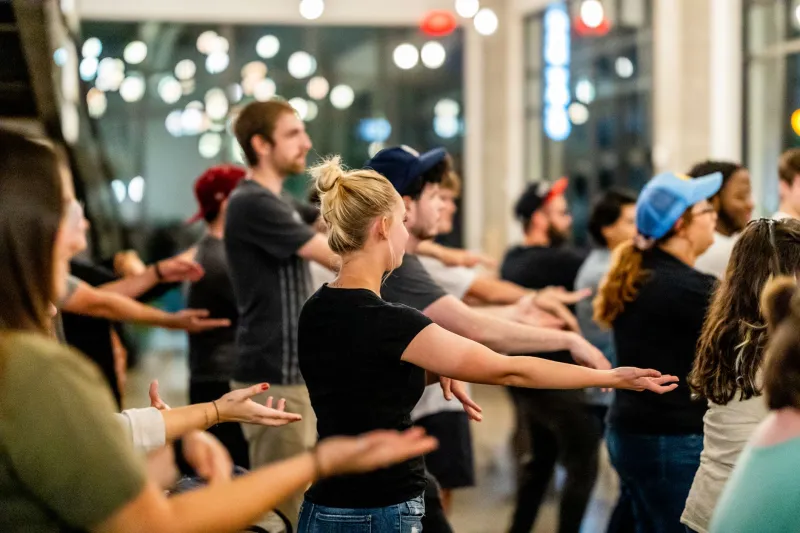
In Miami, the scene has been simmering for years but recently hit a boiling point. Spots in Wynwood and Little Havana have started hosting dedicated fusion nights where a prix-fixe Cuban or Venezuelan menu rolls seamlessly into live band sets and structured dance workshops. Guests don't just watch — they participate. Tables are cleared between courses to make room for beginner salsa lessons before the full dance floor opens up later in the evening.
Up in New York City, the Lower East Side and Washington Heights neighborhoods have become fertile ground for these experiences. Several Dominican and Puerto Rican-owned restaurants now host regular Thursday and Friday nights where bachata plays through dinner service, and local instructors lead short group lessons around 9 PM before the space fully transforms. The food is intentional, too — menus tied to the music's regional roots, so a bachata night might feature dishes from the Dominican countryside.
 Photo: New York City, via images.alphacoders.com
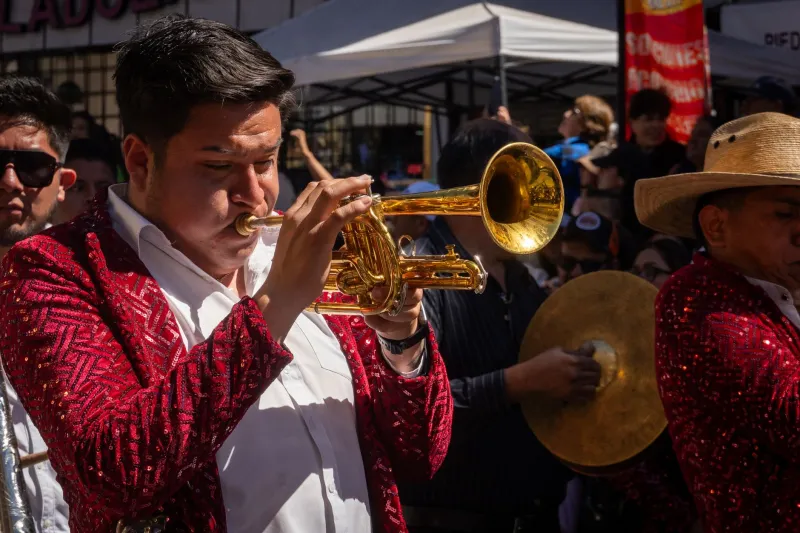
Chicago's Pilsen neighborhood — long a hub of Mexican-American culture — has seen its own version emerge, with food-and-dance festival nights that blend traditional Mexican regional cuisine with mariachi performances and folklórico dance demonstrations that audience members are actively invited to join. These aren't performances you watch from a distance. They're experiences designed to pull you in.
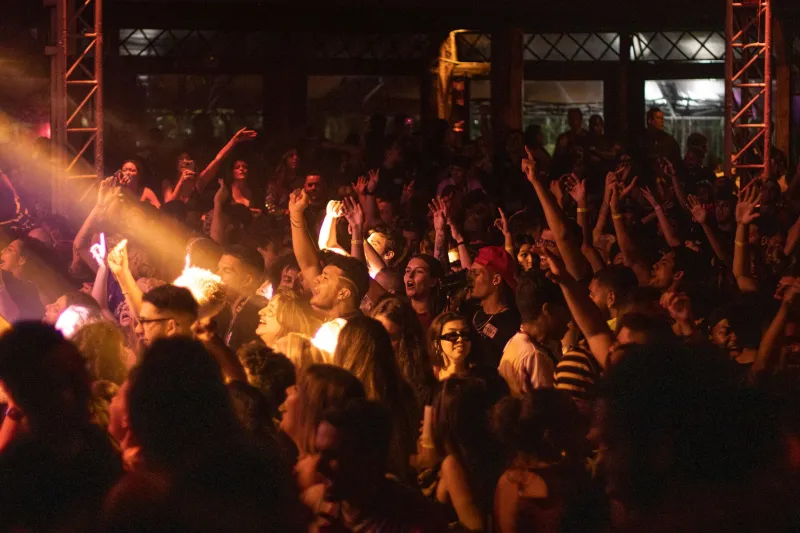
In Los Angeles, the crossover has gotten even more creative. Some events are blending multiple Latin American traditions in a single night — a Colombian bandeja paisa alongside a Peruvian ceviche station, with a DJ set that moves from vallenato to cumbia to reggaetón as the evening progresses and the dancing gets more intense.
Houston, with its massive and diverse Latino population, has become a quiet powerhouse for these events. Community-organized gatherings in neighborhoods like the East End bring together Honduran, Salvadoran, and Mexican culinary traditions under one roof, paired with live norteño and punta music and dance floors that stay open until midnight.
Why It's Hitting Different Right Now
There's something happening in American culture broadly that makes this moment feel particularly ripe. After years of fragmented, screen-mediated social life, people are hungry for experiences that engage multiple senses at once — that feel genuinely alive. Latin cultural nights are delivering exactly that.
But it's not just about novelty for non-Latino attendees. For the Latino community, these events carry a different kind of weight. They're spaces where heritage doesn't have to be explained or defended. Where you don't have to choose between the food your grandmother made and the music your parents danced to and the identity you carry in the US. It all just exists together, naturally, the way it always did back home.
"I brought my coworker last month — she's from Ohio, never been to anything like this," said one attendee at a New York supper club event. "By the end of the night she was attempting merengue and asking me how to make tostones. That's the whole thing, right? The food got her curious, the music got her moving, and now she wants to know more."
That ripple effect — curiosity leading to connection leading to genuine cultural appreciation — is exactly what organizers are banking on.
The Business of Belonging
It's worth noting that these experiences are also proving to be smart business. Venues that host fusion cultural nights consistently report higher per-table spending, longer guest stays, and stronger repeat attendance than standard dinner service nights. People linger. They order another round. They come back the following week and bring friends.
For restaurateurs and event producers in the Latino community, this represents a real opportunity to build something that's both culturally meaningful and economically sustainable. It's not charity work — it's a model that works precisely because the cultural product is genuinely compelling.
Several organizers are now packaging these experiences as ticketed events rather than standard restaurant nights, which allows for more production value — better sound systems, professional dance instructors, curated menus — while also signaling to attendees that this is something worth showing up for intentionally.
An Invitation, Not a Museum
Perhaps the most important thing about this movement is its posture. These aren't preservation projects. They're not about putting Latin American culture behind glass and asking people to observe respectfully from a distance. They're loud, warm, participatory, and a little chaotic — just like the family gatherings that inspired them.
The best ones feel less like events and more like being welcomed into someone's home. The food is generous. The music is live and responsive to the room. The dancing is messy and joyful and open to everyone regardless of skill level. And by the end of the night, something has passed between people that's hard to name but easy to feel.
At Grupo Logosula, we've always believed that Latin American rhythm isn't something you watch — it's something that gets inside you. These supper clubs, festival nights, and restaurant dance floors are living proof of that. The table and the dance floor were always one thing. America is finally catching on.
So next time you see a fusion cultural night on the calendar in your city — whether it's a bachata dinner in Washington Heights or a cumbia cookout in Pilsen — go. Eat everything. Stay for the dancing. Bring someone who's never been.
The door is wide open.