Your City, Your Sound: The Ultimate US Venue Guide for Live Latin Music Lovers
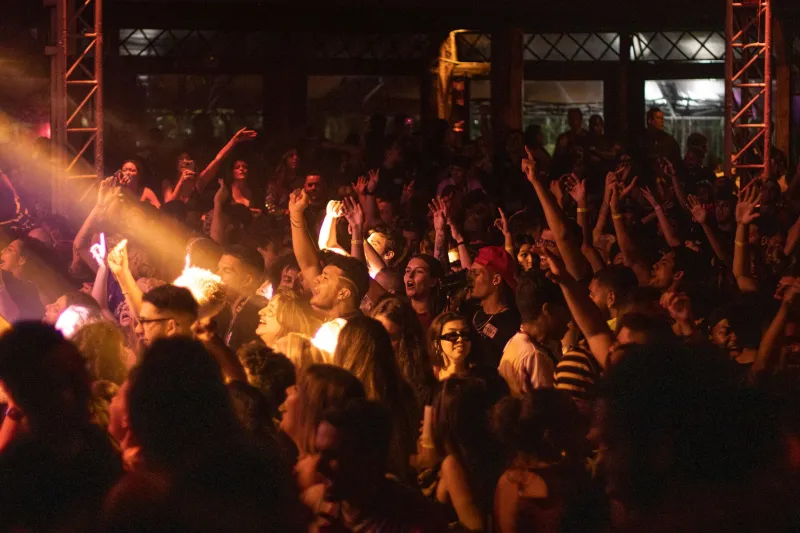
Let's be honest — there's a difference between hearing Latin music and feeling it. One happens through earbuds on a Tuesday commute. The other happens when you're packed into a club at midnight, the bass is rattling your chest, and everyone around you already knows every word to the song. That second experience? That's what we're here for.
The United States is home to some of the most vibrant Latin music scenes anywhere outside of Latin America itself. And the beautiful thing is that no two cities sound exactly the same. Miami has its own pulse. LA has its own flavor. Chicago, Houston, New York — each one brings something distinct to the table. So instead of giving you a generic playlist, we put together a city-by-city breakdown of venues where the music is real, the crowds are into it, and the night actually delivers.
Miami: Where Salsa Never Sleeps
If there's one American city that runs on rhythm, it's Miami. The Cuban influence here is so deep it's basically structural — woven into the food, the slang, the architecture, and absolutely the nightlife.
Ball & Chain in Little Havana is the spot that gets mentioned first for a reason. It's been around since the 1930s, and it still draws serious salsa dancers and live bands that don't phone it in. The outdoor courtyard fills up fast on weekends, so get there early or be ready to squeeze in.
 Photo: Ball & Chain, via img.freepik.com
For something a little more electric, Mango's Tropical Café on Ocean Drive leans into the spectacle — live performers, high energy, and a crowd that's genuinely there to dance. It's touristy, sure, but the musicianship is legit and the atmosphere is hard to beat if you're new to the scene.
Miami also has a growing Venezuelan and Colombian presence, which means you'll find pockets of vallenato and joropo if you know where to look. Keep an eye on local event listings — pop-up nights happen constantly.
Los Angeles: Regional Mexican Music Has Its Capital Here
LA is where regional Mexican music — think norteño, banda sinaloense, and the corridos that have taken over streaming charts — has its American heartbeat. The San Fernando Valley and East LA are ground zero.
El Patio in Huntington Park is a no-frills venue that books live banda and norteño acts regularly. The crowd knows the music cold, and there's something genuinely electric about being in a room where everyone's singing along to lyrics that actually mean something to them.
La Boom in Van Nuys has been a regional Mexican staple for years. Big sound system, decent-sized dance floor, and weekend shows that bring in acts you'd otherwise have to travel to Guadalajara to see. It's the kind of place where the culture isn't performed for outsiders — it just is.
For corridos tumbados and the newer wave of artists blending regional Mexican with trap and hip-hop, watch for touring shows at The Novo downtown or The Wiltern — both book Latin acts heavily and the production quality is excellent.
Chicago: The Cumbia Capital of the Midwest
Chicago doesn't always get its flowers when people talk about Latin music in the US, and that's a shame because the cumbia scene here is genuinely its own thing. The city has a massive Mexican and Puerto Rican population, and the music culture reflects that layered identity.
Rudy's Taste on the North Side is a beloved spot that books live Latin acts and has a loyal crowd that shows up ready to move. The dance floor is small but that just means you're in closer contact with the music.
Pilsen, Chicago's historic Mexican-American neighborhood, is where you want to be for cultural events, outdoor festivals, and smaller venue shows that feel more intimate. The Thalia Hall occasionally books Latin artists and the venue itself — a beautifully restored 1892 building — adds a whole other layer to the experience.
 Photo: Thalia Hall, via c8.alamy.com
The Chicago Latin Music Festival each summer is worth planning a trip around if you're not already local. Multiple stages, free admission, and a lineup that spans cumbia, salsa, merengue, and beyond.
New York City: Every Genre, Every Night
New York is almost unfair to include because the sheer volume of options makes it hard to narrow down. But the diversity of Latin music here — Puerto Rican, Dominican, Colombian, Ecuadorian, Cuban — means you can genuinely find something different every single night of the week.
S.O.B.'s (Sounds of Brazil) in Manhattan has been booking Latin and Caribbean artists for decades and remains one of the best mid-size venues in the city for live music. The sound is always good and the bookings are eclectic in the best way.
 Photo: S.O.B.'s, via c8.alamy.com
For salsa specifically, the New York Salsa Congress events and weekly nights at spots like La Terraza in the Bronx are where the serious dancers go. The Bronx, by the way, is deeply underrated as a Latin music destination — don't sleep on it.
If you want to experience something truly New York, look for a bomba y plena session in East Harlem or the South Bronx. These traditional Puerto Rican music and dance forms are alive and evolving here in ways that feel genuinely rooted rather than nostalgic.
Houston: Tejano Roots and a Thriving Mix
Houston's Latin music identity is shaped heavily by Tejano — the Texas-born blend of Mexican folk music, polka, and country that produced legends like Selena. The city still celebrates that heritage hard.
Warehouse Live and House of Blues Houston both book Latin acts regularly, but for something more community-rooted, look toward the East End neighborhood where local venues and restaurants host live Tejano and norteño nights that feel more personal.
The Houston Latin Music Awards and various cultural festivals throughout the year make Houston worth visiting for any serious fan of the genre.
A Few Tips Before You Go
A couple of things worth knowing regardless of which city you're heading to:
- Check social media over websites. Many Latin music venues update their Instagram or Facebook way more frequently than their official sites. That's where last-minute bookings and schedule changes live.
- Go on a Thursday. Weeknight shows often have smaller crowds, cheaper covers, and — counterintuitively — better dancing because the serious people show up.
- Don't be afraid to ask. Latin music communities are generally welcoming to newcomers who come with genuine curiosity. If you're not sure how to salsa or cumbia, say so. Someone will probably offer to show you.
The venues in this guide aren't just places to hear music — they're places where culture stays alive, where language and memory and joy all land on the same beat. Wherever you are in the US, the rhythm isn't far. You just have to know where to walk in.