What Your Ears Are Actually Hearing: A Fun Breakdown of Latin Music's Biggest Genres
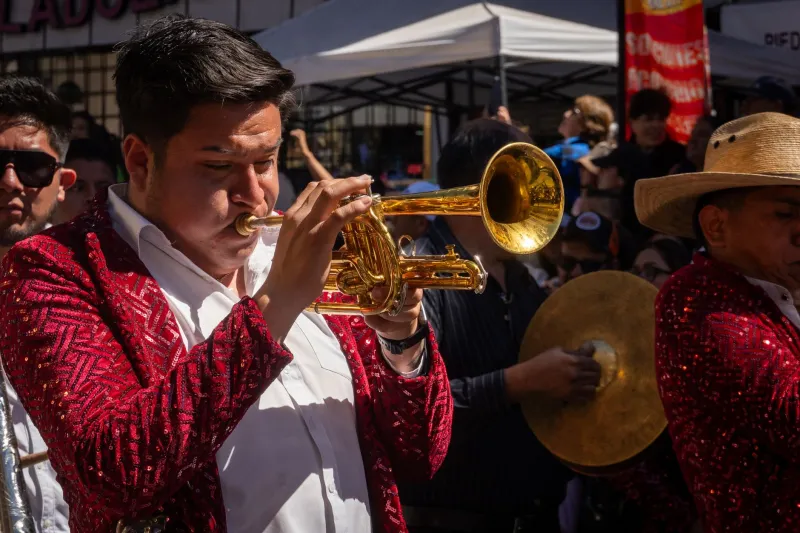
What Your Ears Are Actually Hearing: A Fun Breakdown of Latin Music's Biggest Genres
You're at a quinceañera in Houston, a rooftop party in Miami, or just scrolling through a Latin playlist on Spotify at 11pm — and something clicks. The music moves you. Your foot taps, your shoulders do that little thing, and you don't even realize you're smiling. But then someone asks, "What kind of music is this?" and you freeze.
Don't sweat it. Latin music is a massive, beautiful, occasionally overwhelming universe. Decades of immigration, cultural exchange, and artistic genius have produced dozens of distinct genres — each with its own rhythm, history, and emotional flavor. The good news? Once you learn to hear the differences, the whole thing opens up like a door you didn't know was there.
Let's break it down.
Salsa: The Queen of the Dance Floor
If Latin music had a crown, salsa would be wearing it. Born in New York City in the 1960s and 70s — shaped largely by Puerto Rican and Cuban communities in the Bronx and Spanish Harlem — salsa is the genre that put Latin music on the global map.
What to listen for: a driving, syncopated piano rhythm called the montuno, punchy brass sections (think trumpets and trombones trading jabs), and a clave pattern underneath everything — that's the two-three or three-two rhythmic backbone that gives salsa its signature swing. Vocalists tend to be expressive and a little theatrical. Think Celia Cruz, Marc Anthony, or Rubén Blades.
When it hits right, salsa feels like a conversation between the instruments. It's playful, passionate, and always, always asking you to move.
Cumbia: The Quiet Backbone of Latin America
Here's a genre that doesn't always get the spotlight it deserves in the US — but trust, cumbia is everywhere. Originating along the Caribbean coast of Colombia, it spread across Latin America and mutated beautifully in each country it touched. Mexican cumbia sounds different from Argentine cumbia, which sounds different from Tejano-influenced cumbia you'll hear in Texas.
The tell? A steady, almost hypnotic beat with a lilting, circular feel. Traditional cumbia uses flutes, drums, and maracas. Modern versions layer in accordions, keyboards, and bass guitars. It's earthy, it's danceable, and it has a way of making even non-dancers shuffle their feet without meaning to.
If you've ever heard a track at a family cookout and thought "this feels ancient and modern at the same time" — that was probably cumbia.
Merengue: Fast, Fun, and Impossible to Ignore
Merengue is the national music of the Dominican Republic, and it does not apologize for anything. It's fast, it's bright, and it's built for movement. The rhythm is relentlessly upbeat — a two-beat pattern that drives everything forward like a train that just won't slow down.
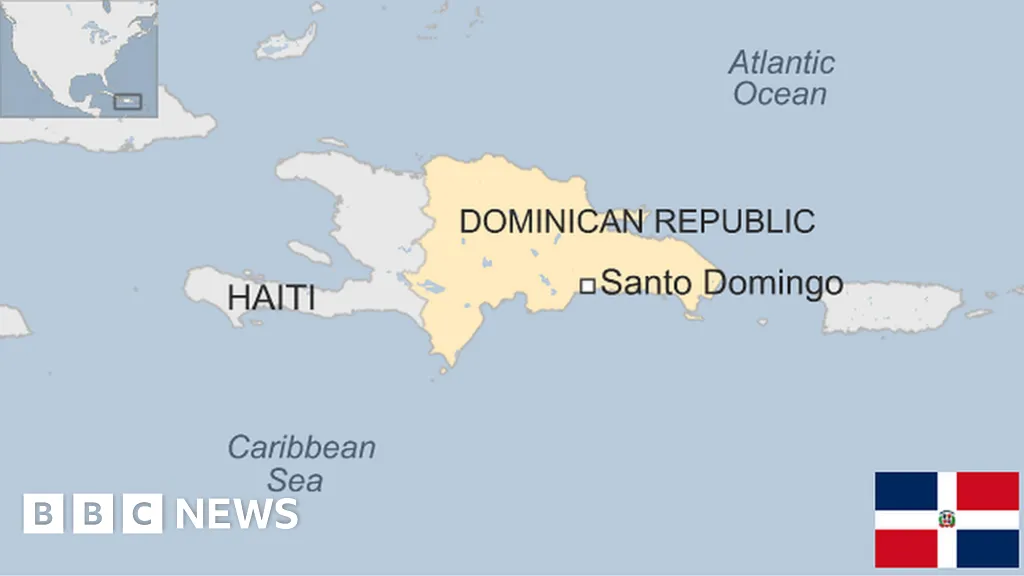 Photo: Dominican Republic, via ichef.bbci.co.uk
Instrumentally, merengue leans on the accordion, the tambora drum, and the güira (a metal scraper that gives it that scratchy, metallic shimmer). Vocally, it tends to be festive and sometimes playful, even when the lyrics are about something heavy.
In the US, merengue has deep roots in cities like New York, New Jersey, and Boston — anywhere with a strong Dominican diaspora. If salsa is the slow burn, merengue is the instant spark.
Reggaeton: The Genre That Took Over the World
You already know reggaeton. Even if you don't know you know it, you know it. That boom-ch-boom-chick beat — called the dembow — is one of the most recognizable rhythms on the planet right now. Born in Puerto Rico in the 1990s out of reggae en español and hip-hop, reggaeton spent years being dismissed before it became literally inescapable.
 Photo: Puerto Rico, via static.vecteezy.com
Bad Bunny, J Balvin, Daddy Yankee, Karol G — these artists didn't just dominate Latin charts. They dominated all charts. The genre is built on electronic production, heavy bass, and vocals that float somewhere between singing and rapping.
What's interesting about reggaeton is how much it's evolved. Early tracks were raw and underground; today's reggaeton can be lush, cinematic, and emotionally complex. It's the genre that's probably responsible for most American listeners' gateway into Latin music.
Norteño and Banda: The Sound of the Mexican Heartland
These two genres are often grouped together because they both come from northern Mexico and share a certain rugged, storytelling spirit — but they're distinct animals.
Norteño is accordion-driven, with a polka-influenced rhythm that came from German immigrants settling in northern Mexico in the 19th century. The result is something uniquely Mexican that somehow also sounds like a backroads bar in eastern Europe. Bands like Los Tigres del Norte have used norteño to tell stories about migration, struggle, and survival — making it one of the most politically meaningful genres in Latin music.
Banda, on the other hand, is a full brass band experience. Think tubas, trumpets, clarinets, and a big booming drum — all playing together at a volume that feels like a celebration even when the song is sad. It's loud, it's proud, and it's deeply tied to the state of Sinaloa. In Los Angeles, banda is practically a civic institution.
Building a Playlist That Tells a Story
Now that you've got the basics, here's the real secret: a great Latin music playlist isn't just a shuffle of bops. It has arc. It moves through moods and tempos the way a good night out does — slow build, peak energy, emotional cool-down.
Try this structure:
- Open with cumbia or merengue — something warm and welcoming that eases people in.
- Build toward salsa — let the brass and piano take over as energy rises.
- Hit the reggaeton peak — this is your dancefloor moment, the part of the night where everyone's in it together.
- Bring in banda or norteño — for that late-night, storytelling, drinks-in-hand stretch.
- Close with something softer — a romantic bolero, a ballad, something that lets the night breathe out.
When you think of music that way — as a journey with a beginning, middle, and end — you stop just listening and start curating. And that's when Latin music really becomes yours.
The More You Hear, The More You Feel
Here at Grupo Logosula, we believe Latin music isn't just entertainment — it's a living archive of culture, history, and identity. Every genre carries the fingerprints of the people who made it and the places that shaped it. Salsa carries New York. Banda carries Sinaloa. Cumbia carries the Colombian coast and every kitchen and backyard it's traveled through since.
You don't have to be an expert to love this music. But understanding even a little bit of what you're hearing? That turns love into something deeper. It turns a playlist into a passport.
So next time a track comes on and your body starts moving before your brain catches up — lean in. Figure out what it is. Because that feeling has a name, and it's got one heck of a story behind it.