Tu Próxima Obsesión: 10 Latin Dances That'll Change How You Move (And Where to Start in the US)
Tu Próxima Obsesión: 10 Latin Dances That'll Change How You Move (And Where to Start in the US)
You don't need to have grown up speaking Spanish. You don't need a grandmother from Medellín or a cousin who DJs quinceañeras. All you really need is a willingness to let the rhythm do the talking — and trust us, it always does.
Here at Grupo Logosula, we believe that Latin American music and dance belong to everyone who's curious enough to show up. So we put together this list of ten dances that every US music lover should have on their radar, along with some real, accessible ways to start learning them wherever you happen to live.
1. Salsa — The One That Started It All (For Most of Us)
Originating from a beautiful collision of Cuban son, Puerto Rican rhythms, and New York City energy in the 1960s and '70s, salsa is probably the first Latin dance most Americans encounter. The signature quick-quick-slow footwork pattern feels tricky at first, then suddenly clicks — and once it does, you'll be looking for any excuse to get back on the floor.
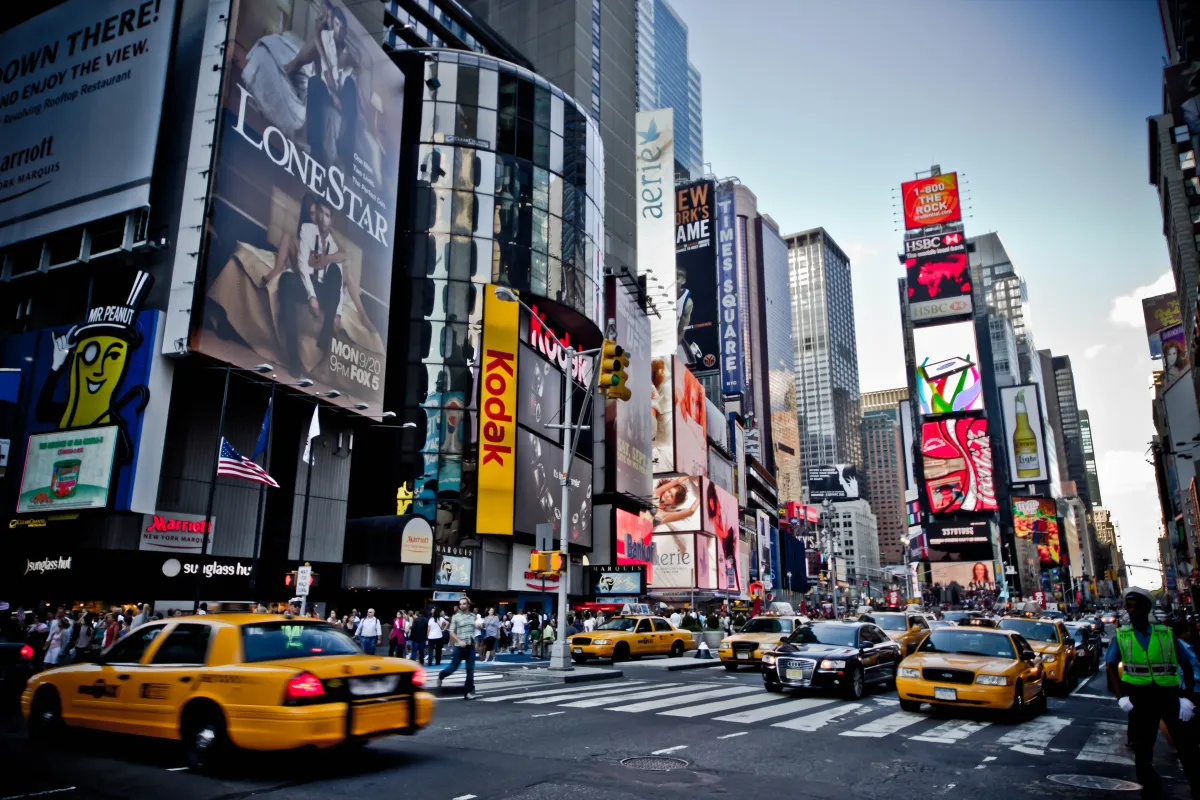 Photo: New York City, via wallup.net
Where to learn it: New York City's Latin Quarter neighborhood still pulses with salsa culture. Studios like Dance Manhattan and Stepping Out Studios offer beginner-friendly classes. In LA, check out Millennium Dance Complex. YouTube channels like Salsa Kings have millions of views for a reason — they're genuinely great for beginners.
2. Cumbia — Colombia's Gift to Every Dance Floor on Earth
Cumbia started along Colombia's Caribbean coast, blending Indigenous, African, and Spanish influences into something that feels both ancient and impossibly danceable. The step is deceptively simple — a gentle, circular shuffle — but the groove underneath is deep. If you've ever been to a Mexican family cookout, you've probably heard cumbia without even realizing it.
Where to learn it: Chicago has a thriving cumbia scene, especially on the Southwest Side. Look for community events through Ruido Fest or search local Facebook groups for cumbia nights. Online, Cumbia Dance Academy on YouTube is a solid starting point.
3. Merengue — Two Steps, Maximum Joy
Hailing from the Dominican Republic, merengue is arguably the most welcoming partner dance on this list. The basic step is literally just marching in place while moving your hips — beginners go from nervous to confident in about fifteen minutes. The music is fast, bright, and impossible not to smile at.
Where to learn it: Miami and New York have dense Dominican communities where merengue nights are a weekly staple. Apps like Dance Reality use augmented reality to teach footwork at home, which is genuinely useful for merengue basics.
4. Bachata — The Slow Burn You Didn't Know You Needed
Once considered too rough and melancholy for polite Dominican society, bachata spent decades being dismissed before exploding globally in the 2000s. Today it's one of the most popular partner dances in the world, known for its close embrace, hip accents on the fourth beat, and an emotional quality that ranges from tender to intensely romantic.
Where to learn it: Boston, Houston, and Washington D.C. all have active bachata communities. Search for bachata socials in your city on Eventbrite — these are casual events where beginners are genuinely welcomed. Ataca y La Alemana on YouTube are the gold standard for online instruction.
5. Reggaeton — Yes, It's a Dance, Too
Most people know reggaeton as a sound, but the movement culture around it — rooted in Jamaican dancehall and Puerto Rican street culture — is just as rich. The perreo style is the most iconic, but there's a whole vocabulary of footwork and freestyle movement that goes far deeper than what you see in music videos.
Where to learn it: Urban dance studios in cities like Atlanta, Miami, and LA frequently offer reggaeton-specific classes. Search for urban Latin dance workshops on ClassPass or check out Niana Guerrero and Kida the Great on YouTube for movement inspiration.
6. Huayno — The Sound of the Andes, Finally Getting Its Due
This one might be new to you, and that's exactly why it's on the list. Huayno is one of the oldest living music-and-dance traditions in the Americas, originating among Quechua-speaking communities in Peru and Bolivia. The footwork is energetic and percussive, often performed in traditional dress, and the music — built around charangos, flutes, and driving percussion — hits something primal.
Where to learn it: Cities with significant Peruvian and Bolivian communities, like Paterson, NJ and Washington D.C., occasionally host folkloric dance workshops. The Smithsonian Folklife Festival has featured Andean traditions in past years. YouTube channels run by Peruvian cultural organizations are your best bet for video instruction.
7. Tango — Argentina's Most Misunderstood Export
Forget the rose-in-the-teeth clichés. Real Argentine tango is an improvised, walking conversation between two people — intensely focused, musically sophisticated, and emotionally layered. It was born in the working-class neighborhoods of Buenos Aires in the late 19th century and has never stopped evolving.
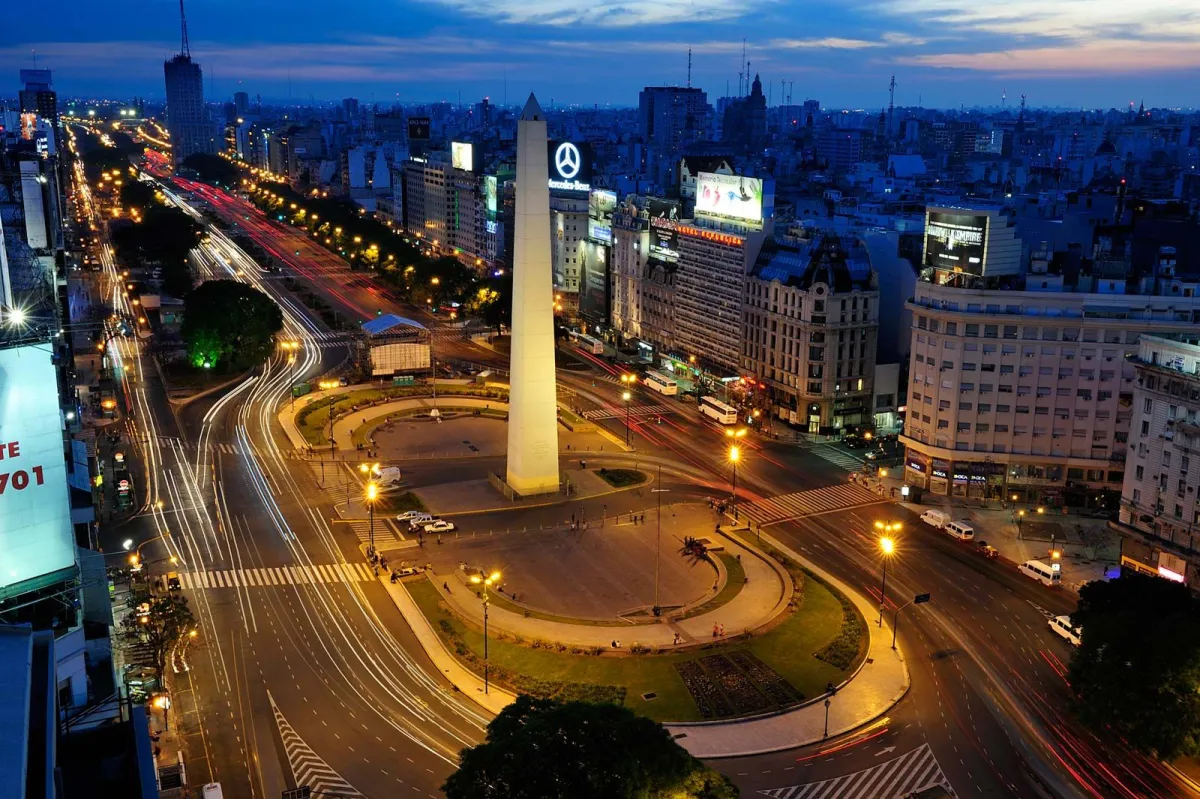 Photo: Buenos Aires, via cdn.britannica.com
Where to learn it: The US tango scene is surprisingly robust. San Francisco, Chicago, and New York all have dedicated milongas (tango social dances) running weekly. TangoForge offers excellent online video courses for beginners who want a serious foundation.
8. Sones Jarochos and Marimba-Driven Sones — Mexico's Folk Soul
The son tradition in Mexico is vast, but two branches deserve special attention: the son jarocho from Veracruz (think "La Bamba") and the marimba-driven sones from Chiapas and Oaxaca. Both involve communal dancing on a wooden platform called a tarima, with footwork that functions almost like percussion.
Where to learn it: Los Angeles has a vibrant son jarocho community centered around organizations like Quetzal and the annual Festival Son del Pueblo. Oaxacan community centers in LA and New York sometimes offer marimba-related cultural events.
9. Bomba — Puerto Rico's Most Powerful Dialogue
Bomba is unique because the dancer and the drummer are in direct conversation — the drummer follows the dancer, not the other way around. Rooted in the African heritage of Puerto Rico, it's a deeply communal and expressive form that's been experiencing a passionate revival among younger Puerto Rican Americans.
Where to learn it: New York City is the center of US bomba culture. Organizations like Bomba con Buya and Los Pleneros de la 21 offer workshops and public performances. In Chicago, look for events connected to the Puerto Rican Arts Alliance.
10. Vallenato — Colombia's Emotional Core
Vallenato isn't as physically flashy as some dances on this list, but its emotional power is undeniable. Built around the accordion, caja drum, and guacharaca, vallenato music tells stories of love, loss, and life on the Colombian coast. The accompanying dance is close, swaying, and deeply conversational.
Where to learn it: Miami's Colombian community hosts vallenato events, especially around Festival Vallenato Miami, which draws serious talent. Colombian cultural centers in New York and Houston are also worth checking out.
The Bottom Line: Just Show Up
Every single one of these dances started as community property — something people did together at street corners, plazas, and kitchen parties. They weren't designed for performance stages or competition floors. They were designed for people who wanted to connect.
That's still what they're for. And here in the US, in cities from Miami to Minneapolis, communities are keeping these traditions alive and genuinely welcoming newcomers. You don't need to be perfect. You just need to be present.
At Grupo Logosula, that's the whole point: el ritmo de América Latina, para todos. The rhythm of Latin America — for everyone.