Beat Architects: The US-Based Latin Producers Dismantling and Rebuilding Sound From the Inside Out
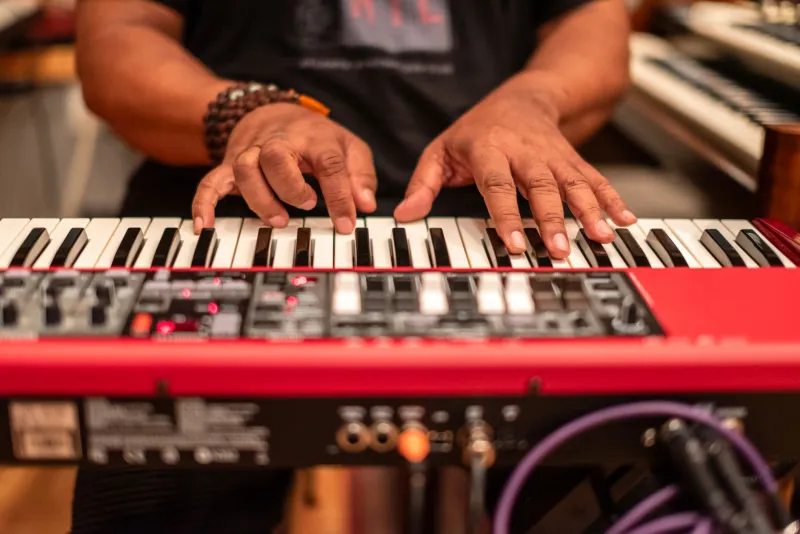
There's a studio somewhere in Hialeah — fluorescent lights, a wall of monitors, two keyboards stacked on a folding table — where someone is currently layering a three-hundred-year-old Mexican son jarocho melody over a 140 BPM moombahton kick pattern. The result doesn't sound like anything your abuela would recognize, but it hits like something she'd feel in her chest at a family cookout. That contradiction? That's exactly where Latin music lives right now in the United States.
The producers driving this shift aren't household names yet — not all of them, anyway. But they're the invisible hands behind the sounds reshaping playlists, festival stages, and late-night sets from Wynwood to Washington Heights. They grew up between worlds: Spanish at home, English at school, reggaeton on the headphones, and hip-hop leaking through the walls. And now they're making music that reflects all of it at once.
Miami: Where the Caribbean Meets the Circuit Board
Miami has always been a pressure cooker for sound. You've got Cuban jazz DNA in the soil, a Haitian diaspora that brought compas and rara to the streets, and a Colombian population that never let go of vallenato. Add to that the city's deep roots in electronic dance music — Ultra Music Festival didn't become a global institution by accident — and you've got the perfect environment for genre collision.
Producers working out of Miami's Little Havana and Overtown neighborhoods are doing something particularly interesting: they're using modular synthesis to recreate the tonal qualities of traditional Caribbean percussion. Think the sharp crack of a clave pattern, but run through a Eurorack modular system until it sounds like it's echoing inside a cathedral made of concrete and salt water. One producer who goes by the handle Cuadrante has been building this kind of hybrid palette for years, performing live sets that blur the line between DJ performance and full band experience.
Then there's the moombahton connection. That genre — born in Washington D.C. when DJ Nadastrom accidentally slowed a house track down to a reggaeton tempo — found a second home in South Florida. Miami producers latched onto its tropical, bass-heavy framework and started feeding it Caribbean and Afro-Latin instrumentation. The result is music that feels simultaneously ancient and futuristic, rooted and restless.
New York: The Five Boroughs as a Living Sample Pack
If Miami is about heat and humidity, New York is about density and friction. The city has always been a laboratory for Latin music — salsa was essentially born in Manhattan, and the Bronx gave the world hip-hop at the same time it was giving it boogaloo and Latin soul. Today's producers in the Bronx, Queens, and Brooklyn are heirs to that legacy, and they know it.
What's changed is the toolkit. Where previous generations worked with live musicians and analog recording equipment, today's New York-based Latin producers are working in hybrid setups that combine acoustic sessions with heavy digital processing. A cuatro player from Corona, Queens, might lay down a track in a bedroom studio, and by the time the producer is done with it, that sound has been chopped, pitch-shifted, and woven into a beat that also contains a sampled güiro loop and a 808 bass line that could've come straight off a trap record.
Producers in this scene talk a lot about texture — the idea that Latin music has always been tactile, that you can almost feel the wood of the instrument or the skin of the drum through the speakers. The goal isn't to strip that texture away in pursuit of a cleaner electronic sound. It's to amplify it, make it stranger, push it somewhere new while keeping that physical quality intact.
The Latin alternative and experimental scenes in Brooklyn have also given rise to a cluster of producers who are deliberately pulling from pre-Columbian musical traditions — Andean wind instruments, Afro-Peruvian cajón rhythms, indigenous chants from Mexico — and processing them through ambient and noise music frameworks. It's cerebral stuff, but it's finding an audience among younger Latin Americans who are hungry for music that takes their heritage seriously without being nostalgic about it.
Los Angeles: Where Norteño Meets the Rave
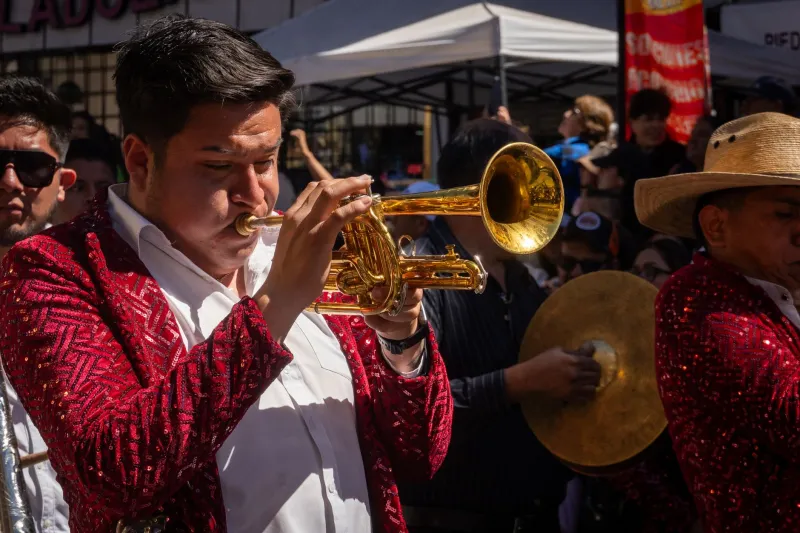
Los Angeles presents a different equation entirely. The city's massive Mexican-American population means that regional Mexican music — banda, norteño, corridos, mariachi — isn't just background music. It's the dominant cultural force. And the producers working in East L.A., Boyle Heights, and the San Fernando Valley are doing something genuinely wild with it.
Take the corrido. Traditionally a narrative ballad telling stories of border life, outlaw heroes, and historical events, the corrido has been evolving rapidly through the corridos tumbados and música mexicana movements. But some producers are pushing it even further, stripping the genre down to its rhythmic bones and rebuilding it with electronic production techniques borrowed from UK garage, drill, and even ambient techno. The accordion — that iconic norteño instrument — gets run through effects chains until it sounds like a synthesizer dreaming of the desert.
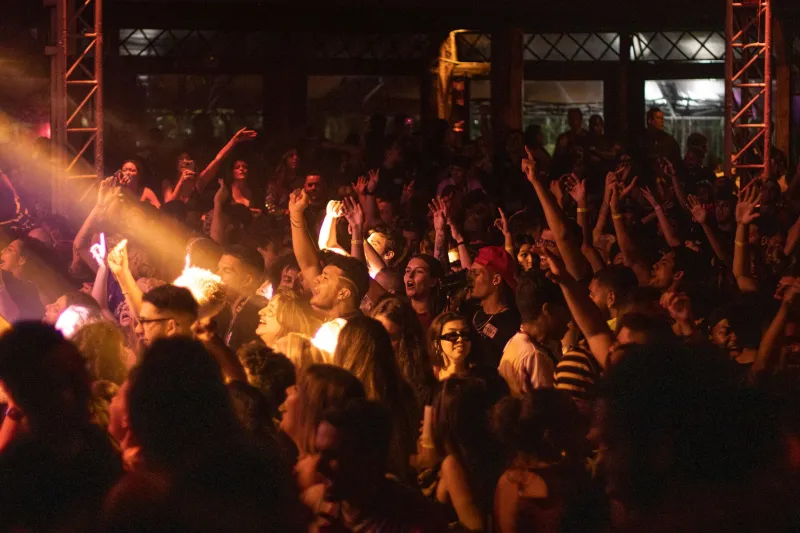
What's interesting about the L.A. scene is how much it's being driven by the live music culture of the city's underground. There are warehouse parties in the Arts District where the DJ set starts with a corrido remix, moves through cumbia electronics, and ends somewhere that sounds like Aphex Twin produced a son cubano record. The crowd — mostly second and third-generation Latin Americans in their twenties — isn't confused by any of this. They grew up with all of it simultaneously.
The Tools of the Trade
Across all three cities, a few things unite these producers. First, the DAW — digital audio workstation — is their primary instrument, usually Ableton Live or FL Studio, though Logic Pro has a strong following in the West Coast scene. Second, field recording is huge. Producers are traveling to Mexico, Puerto Rico, Colombia, and Cuba to record ambient sounds, street musicians, and traditional ensembles — then bringing those recordings back to their studios and treating them like raw material.
Third, and maybe most importantly, there's a shared philosophy about cultural responsibility. These producers aren't sampling traditional music carelessly or treating it as exotic flavor. Most of them have deep personal connections to the traditions they're working with. They're not appropriating — they're inheriting, and then innovating.
What This Means for American Ears
For listeners in the US, this producer-driven movement is quietly expanding the definition of what Latin music can be. It's no longer just the sounds you hear at a quinceañera or on a Top 40 Latin radio station — though those things are still very much alive and beloved. It's also experimental, challenging, sometimes uncomfortable, and consistently surprising.
The gatekeepers are losing their grip. Streaming platforms, social media, and the sheer volume of creative output from this generation of producers mean that a kid in Albuquerque can discover a Hialeah-based beatmaker's take on Afro-Cuban electronics at two in the morning and have her entire musical universe rearranged by breakfast.
That's the real story here. Not just that the music is changing — music always changes. The story is that the change is happening from the inside, driven by people who love these traditions deeply enough to break them open and see what's living inside. From mariachi to moombahton isn't a journey away from something. It's a journey deeper into it.