Why Every American Summer Now Has a Latin Heartbeat
Somewhere between Memorial Day and Labor Day, something shifts in the American air. Grills fire up. Pools open. And if you pay attention to what's actually playing — at the cookout down the street, through the open windows of passing cars, at the festival stage where the crowd is biggest — you'll notice something: a lot of it is Latin.
Not Latin-adjacent. Not a token remix. Actual reggaeton, actual bachata, actual banda and cumbia and regional Mexican corridos rattling trunk speakers from coast to coast. The transformation has been so gradual that a lot of people missed it happening. But the numbers, the culture, and frankly your own ears don't lie.
Latin American music isn't a niche flavor in the American summer anymore. It's the main course.
The Numbers Don't Mess Around
Let's start with the data, because it's pretty striking. According to Luminate's 2023 music industry report, Latin music was the second most-consumed genre in the United States by on-demand audio streams — ahead of R&B, ahead of country, ahead of rock. Bad Bunny was the most-streamed artist globally on Spotify for three consecutive years (2020, 2021, 2022). That's not a Latin music story. That's an American music story.
Summer streaming patterns amplify this even further. Tracks like "Despacito," "Con Calma," "Tití Me Preguntó," and more recently Peso Pluma's corridos tumbados have each spiked dramatically during summer months, suggesting that the season and the sound have become emotionally linked in listeners' minds. People reach for Latin music when the weather heats up the same way they reach for sunscreen — instinctively, almost without thinking about it.
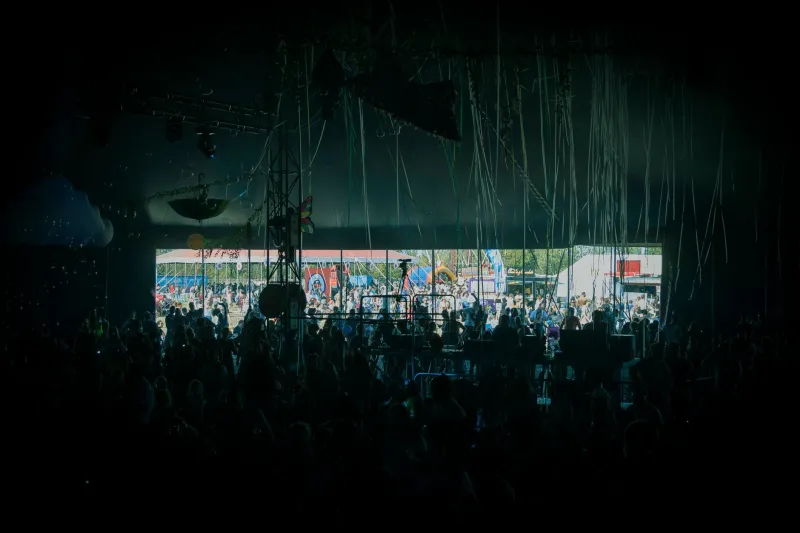
And it's not just streaming. Festival booking data tells the same story. Coachella has headlined Bad Bunny and J Balvin. Lollapalooza's Latin stages have grown year after year. Regional festivals in Texas, Florida, Illinois, and California that once booked Latin acts as supporting slots now anchor their entire lineups around them.
So How Did We Get Here?
The short answer is: slowly, then all at once.
The longer answer involves about thirty years of cultural groundwork. The so-called "Latin Explosion" of the late 1990s — Ricky Martin, Marc Anthony, Shakira, Jennifer Lopez — introduced mainstream American audiences to the idea that Spanish-language or Latin-influenced music could dominate pop charts. But those artists were largely selling a crossover product, carefully packaged for English-speaking audiences.
What happened next was different. Instead of Latin artists crossing over into American pop, American pop started crossing over into Latin music. Producers like DJ Luian and Mambo Kingz, working out of Puerto Rico in the early 2000s, were building a reggaeton sound that wasn't asking for anyone's permission or approval. It was raw, urban, and completely confident in itself. By the time Daddy Yankee's "Gasolina" hit American radio in 2004, the conversation had already changed.
The smartphone era finished the job. When streaming democratized music discovery in the early 2010s, the geographic and linguistic barriers that had kept Latin music in a separate commercial lane simply dissolved. A teenager in Ohio could stumble onto a Romeo Santos bachata track through an algorithm and be hooked before she'd ever set foot in a Latin club. A college student in Oregon could discover Natalia Lafourcade and fall headfirst into Mexican folk-pop. The music didn't need gatekeepers anymore.
The Summer Connection Is Real and It's Emotional
Here's the cultural argument, and we'll make it plainly: Latin American music is built for the sensory experience of being warm and alive.
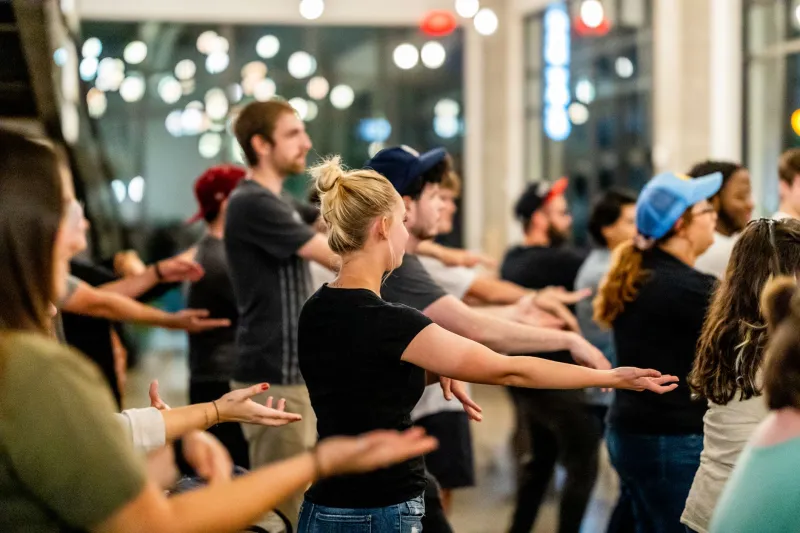
Think about the architecture of a reggaeton track — the dembow rhythm, that rolling, syncopated pulse that sits right in your body and refuses to let go. Think about the way a good bachata builds from something quiet and aching into something that fills an entire outdoor space. Think about the communal, physical joy of cumbia, a dance form literally designed to be done in groups, in open air, with people you may have just met.
These are not coincidental qualities. They're the product of musical traditions that developed in tropical climates, at outdoor celebrations, in communities where the boundary between music and daily life was never very firm. When those traditions travel to a summer barbecue in Atlanta or a rooftop party in Chicago, they bring all of that context with them — even if nobody at the party knows the history.
"There's something about the rhythm that just makes the heat feel good," says Marcus, a 34-year-old high school teacher from Houston who started listening to reggaeton through his students about seven years ago. "I put on Bad Bunny at my Fourth of July cookout last year and nobody complained. Half the people there didn't speak Spanish. Didn't matter."
That sentiment — didn't matter — comes up again and again when you talk to American fans of Latin music who didn't grow up with it. The language barrier that once felt like a wall has become, for many listeners, almost irrelevant. You feel the music before you understand it. And in summer, feeling is the whole point.
The Artists Who Made It Happen
It would take a book to credit everyone, but a few names deserve specific recognition for building the bridge between Latin American music and the American mainstream summer experience.
Bad Bunny essentially rewrote the rules by proving that an unapologetically Spanish-language artist could top every major American chart without compromising his sound or identity. His albums Un Verano Sin Ti (literally A Summer Without You) and Nadie Sabe Lo Que Va a Pasar Mañana both dropped in summer windows and both broke streaming records.
Karol G has become a festival juggernaut, selling out stadiums in cities where Latin music was once considered a secondary market — think Chicago, New York, Los Angeles, and increasingly mid-sized markets like Nashville and Denver.
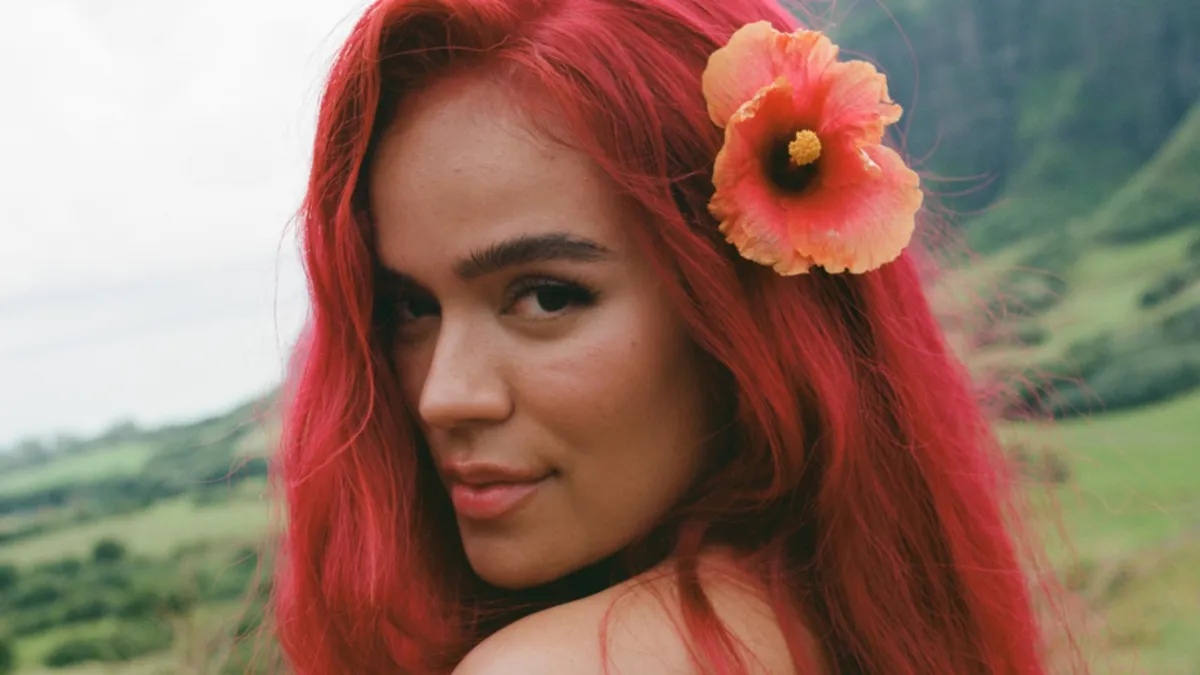 Photo: Karol G, via cdn.wegow.com
Peso Pluma arrived like a corrido tumbado comet in 2023, bringing regional Mexican music to audiences who'd never given the genre a second thought. His collaboration with Eslabon Armado, "Ella Baila Sola," spent weeks at the top of the Billboard Hot 100 during peak summer.
What This Means Beyond the Charts
There's a cultural conversation happening underneath all of this that's worth naming. When Latin American music becomes the soundtrack of the American summer — not just in Latino households but at mainstream events, on mainstream radio, at predominantly non-Latino festivals — it changes what "American" sounds like.
That's not a small thing. Music has always been one of the primary ways that cultures negotiate belonging and identity in this country. The fact that millions of Americans who don't identify as Latino are dancing to reggaeton, requesting bachata at weddings, and streaming corridos during their morning commute says something real about how the cultural landscape is shifting.
At Grupo Logosula, we think that's worth celebrating — loudly, and with a good playlist.
Your Summer Playlist, Curated
Take these straight to your next gathering. No prior Latin music knowledge required — just hit play and let the summer do the rest.
- "Tití Me Preguntó" — Bad Bunny
- "Mañana Será Bonito" — Karol G
- "Ella Baila Sola" — Eslabon Armado & Peso Pluma
- "Ojitos Lindos" — Bad Bunny & Bomba Estéreo
- "La Reina" — Natalia Lafourcade
- "Propuesta Indecente" — Romeo Santos
- "Pepas" — Farruko
- "Hawái" — Maluma
- "Tusa" — Karol G & Nicki Minaj
- "Pa' Mis Muchachas" — Christina Aguilera, Becky G, Nicki Nicole & Nathy Peluso
- "El Farsante" — Ozuna
- "Cumbia del Olvido" — Carlos Vives
Crank it up. The summer is waiting.