The Stories That Never Died: How Latin Oral Traditions Are Powering a New Wave of American Storytellers
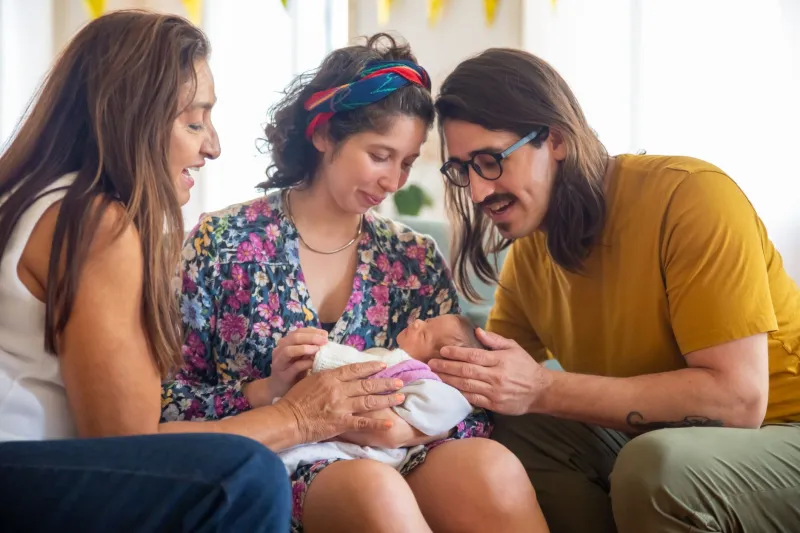
There's a particular kind of magic that happens when an abuela starts talking. The room gets quieter. Phones disappear. Kids who couldn't sit still for ten minutes suddenly forget to move. Across Latin America — and in millions of Latino homes throughout the United States — the spoken word has always carried something that no textbook, no algorithm, and no streaming platform has ever quite managed to replicate: weight.
That weight is now finding new containers. From podcast studios in Chicago to spoken word stages in Houston and community theater spaces in New York, a generation of Latin American artists and creators is reaching back into family memory and pulling forward something remarkable. They're not just preserving culture — they're rebuilding American entertainment from its most human foundation.
What We Mean When We Talk About Oral Tradition
Let's be clear about something. Latin American oral tradition isn't just grandparents telling old stories. It's a full ecosystem — cuentos, corridos, proverbs, lullabies, community gossip elevated to art form, the way a tía can describe a wedding that happened forty years ago and make everyone at the table cry and laugh within the same minute. It's music woven into narrative, rhythm embedded in speech, and emotion delivered without apology.
In many Latin American cultures, this tradition carried historical memory that formal records deliberately excluded. Indigenous stories survived colonization through spoken word. Migration experiences got passed down through song. Family trauma and triumph alike lived in the mouths of elders, waiting for someone young enough to carry them forward.
That's exactly what's happening right now in cities across the US.
Chicago: Where the Kitchen Table Meets the Microphone
In Chicago's Pilsen neighborhood — long a hub of Mexican American cultural life — a wave of podcast creators and live storytelling events has emerged that draws directly from this tradition. Events like community storytelling nights hosted at local cultural centers invite participants to share historias de familia in front of live audiences, often mixing Spanish and English in ways that feel completely natural rather than performative.
Creators working in this space talk about a deliberate choice: to not sanitize the stories for mainstream palatability. The grief stays in. The humor stays dark when it needs to be. The supernatural elements — la llorona, the cousin who swore he saw something in the cornfield — those stay too. The result is storytelling that feels genuinely different from anything else on the American entertainment landscape, because it is.
Several Chicago-based podcasts have built loyal audiences by doing nothing more complicated than recording conversations between generations of the same family. The format sounds simple. The impact is anything but.
Houston: Spoken Word Gets a Latin Heartbeat
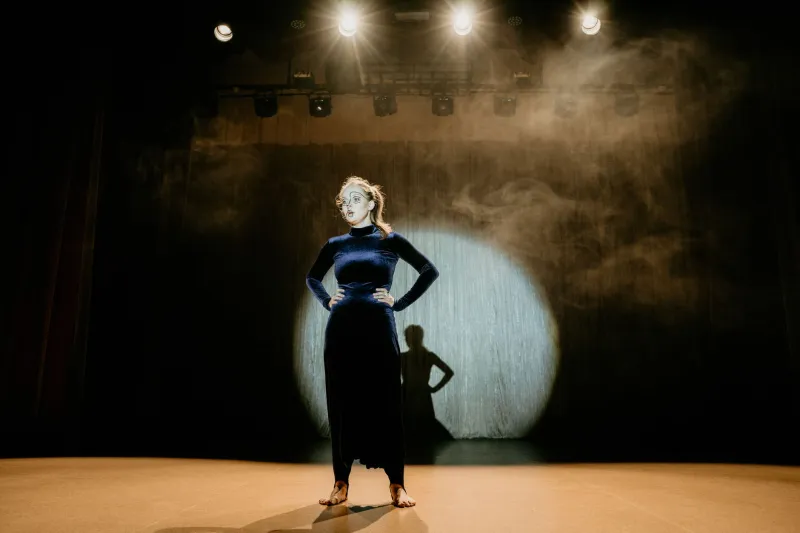
Houston's spoken word scene has always been one of the most underrated in the country, and its Latin American contingent is currently one of the most exciting forces within it. Poets and performers working out of spaces in the East End and Third Ward are developing a style that fuses the emotional directness of traditional oral storytelling with contemporary spoken word structure.
What makes this movement distinct is the conscious decision to honor source material. These aren't artists who grew up with oral tradition and then left it behind when they found the stage. They're artists who found the stage because of oral tradition — who recognized that what their families did around the dinner table was already performance, already art, already worthy of an audience larger than one living room.
Some performers work bilingually, switching mid-poem not for effect but because that's simply how the story lives inside them. Audiences — diverse, multigenerational, and increasingly non-Latino — are responding with the kind of attention that Houston's arts community hasn't seen directed at this format in years.
New York: From Community Stages to Cultural Institutions
New York has always absorbed and amplified whatever energy Latin American artists bring to it, and the oral tradition movement is no exception. In the Bronx, Brooklyn, and upper Manhattan, performance spaces that began as community gathering spots are evolving into something closer to cultural institutions — places where the line between entertainment and preservation gets productively blurry.
Live shows in these venues often combine elements: a storyteller opens, a musician responds, a dancer interprets. The structure mirrors what actually happens in the oral tradition itself, where story and song and movement were never meant to be separated in the first place. Producers who grew up watching their families perform this integration naturally are now building show formats around it.
The crossover appeal has surprised some observers, though perhaps it shouldn't. American audiences have been hungry for authenticity in entertainment for years. What Latin oral tradition offers is authenticity at its most concentrated — stories that survived because they had to, told by people who understand exactly what was at stake in the telling.
Why This Matters Beyond the Stage
There's a preservation element to all of this that deserves acknowledgment, even in a conversation primarily about entertainment. Many of the elders whose stories fuel this movement are aging. The specific regional dialects, the particular rhythms of storytelling from Oaxaca or Medellín or a small town in Puerto Rico — these things don't automatically transfer to the next generation without deliberate effort.
What makes the current moment so encouraging is that the effort is being made with creativity rather than obligation. These aren't artists who feel burdened by tradition. They feel powered by it. The oral stories of their families aren't a weight they're carrying — they're a fuel source they've finally figured out how to use.
And the formats they're building — podcasts, live shows, spoken word events, hybrid performances — are formats that can reach people who never set foot in a cultural center, who might not identify as particularly interested in Latin American heritage, but who will absolutely stay in their car an extra twenty minutes to hear how a story ends.
The Rhythm Underneath Everything
At Grupo Logosula, we talk a lot about rhythm — the pulse of Latin American culture that moves through music, dance, and daily life. What this oral tradition movement reminds us is that rhythm isn't only musical. It lives in language. It lives in the cadence of a story well told, in the pause before a punchline, in the way a voice drops when something important is about to be said.
The creators building this new wave of American storytelling know that rhythm intimately. They learned it young, in living rooms that had no stage and no audience beyond family. Now they're bringing it everywhere.
And honestly? The whole country is better for listening.