Screen to Speaker: How Spanish-Language Streaming Shows Are Turning US Viewers Into Die-Hard Latin Music Fans
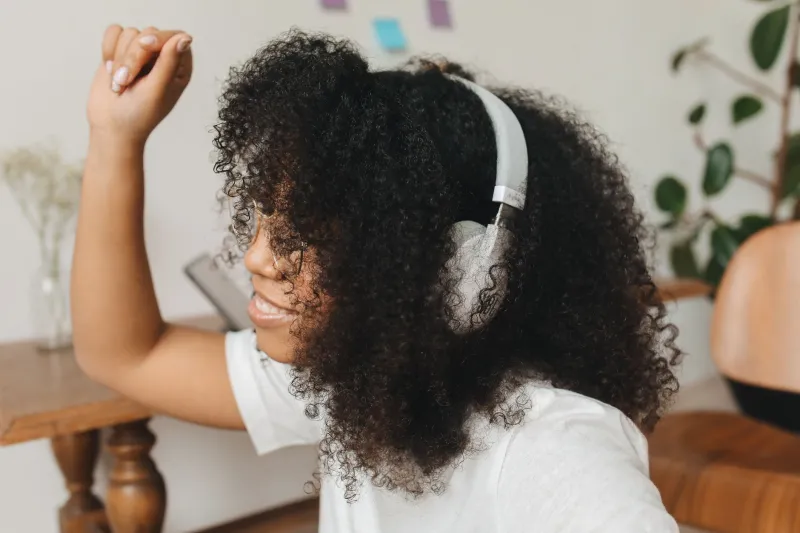
Picture this: you're three episodes deep into a binge session, a tense scene unfolds on screen, and suddenly there's a song playing underneath it all that stops you cold. You don't know the genre. You don't know the artist. But something about it hits different. Before you know it, you're on Shazam, then YouTube, then down a rabbit hole of regional Mexican music you'd never have found through your regular playlist.
That's the power of visual storytelling — and it's quietly becoming one of the most effective pipelines for authentic Latin music discovery in the United States right now.
The Algorithm Didn't Do This — A TV Show Did
Streaming platforms like Netflix, HBO Max, and Amazon Prime have pumped serious money into Spanish-language original content over the last decade. Shows like La Reina del Sur, Club de Cuervos, Narcos: Mexico, Rosario Tijeras, and Control Z have racked up massive viewership numbers in the US — and not just among Latino households. Non-Spanish-speaking American audiences have been tuning in, subtitles and all, in record numbers.
What they're getting alongside the drama and the plot twists is something radio and algorithmic playlists rarely deliver: context. When you hear a sinaloa-style brass arrangement blasting through the speakers of a scene set in a Culiacán cantina, you're not just hearing a genre — you're feeling it. The visuals do the emotional heavy lifting that a cold playlist recommendation simply can't.
That context is everything. It's the difference between passive listening and genuine curiosity.
Songs That Jumped From the Screen to the Street
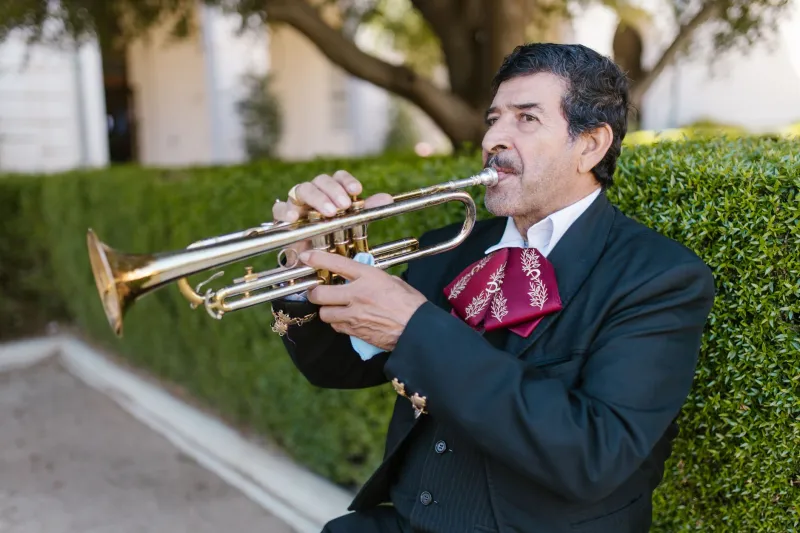
Let's get specific. La Reina del Sur, the Telemundo and Netflix co-production based on Arturo Pérez-Reverte's novel, introduced a massive American audience to the world of narcocorridos and banda music in a way that felt cinematic rather than niche. The show's soundtrack, heavily influenced by norteño and banda sinaloense traditions, became a talking point on social media and pushed several artists into broader American streaming visibility.
Similarly, Club de Cuervos — Netflix's sharp Mexican sports comedy — wove cumbia, rock en español, and regional pop into its DNA so naturally that viewers started seeking out the sounds on their own. The show's music supervisor choices weren't just background noise; they were cultural signposts that said, this is what Mexican urban life actually sounds like.
And then there's Narcos: Mexico, which leaned hard into corridos and conjunto music to build atmosphere. Search trends spiked for artists featured in the show's soundtrack during each season's release window. That's not a coincidence. That's a gateway.
Composers Are the Unsung Heroes of This Moment
Beyond the licensed tracks, the original composers scoring these productions deserve way more credit than they get. Composers like Roque Baños, who worked on the original La Reina del Sur, blended orchestral drama with regional Mexican instrumentation in ways that felt both cinematic and deeply rooted in tradition. That kind of work doesn't just serve the story — it educates an audience without them even realizing it.
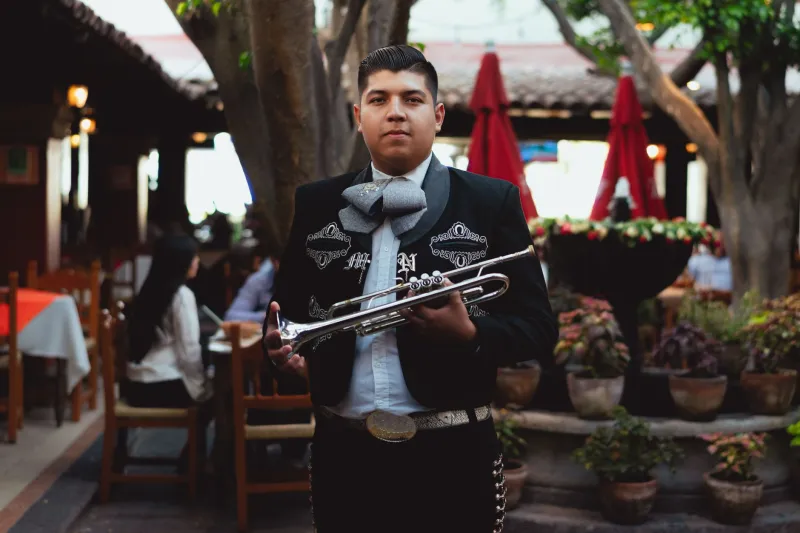
For many American viewers, a composer's score might be their very first exposure to the sound of a bajo sexto, a guitarrón, or an accordion in a dramatic context. And dramatic context is memorable. You associate that sound with something you felt — tension, heartbreak, triumph — and suddenly it means something to you personally.
That emotional imprinting is what separates a screen-to-speaker conversion from a forgettable playlist shuffle.
What This Means for Artists and Labels
The music industry has started paying attention. Latin labels and indie artists alike are increasingly angling for soundtrack placements as a legitimate strategy for US market penetration. It used to be that a feature on a major radio station or a spot on a Spotify editorial playlist was the golden ticket. Now, a well-placed track in a popular streaming series can do the same job — sometimes faster and with a more emotionally engaged audience.
For regional artists who make música de banda, cumbia sonidera, or Andean folk music, this is genuinely game-changing. These are genres that algorithmic platforms often struggle to surface to new listeners because the data trails are thin. But a streaming drama with millions of viewers? That's a different kind of discovery engine entirely.
Labels are starting to treat music supervisors for Spanish-language productions the same way they treat radio pluggers — as essential connectors between artists and new ears.
The Cultural Identity Question
Of course, it's not all straightforward. There's a real conversation to be had about how these shows frame Latin music and culture for outside audiences. When American viewers first encounter norteño music through the lens of a narco drama, does that framing stick? Does it reduce a rich tradition to a single, loaded context?
It's a fair concern, and it's one that artists and cultural commentators in the Latin community raise regularly. The hope — and increasingly, the reality — is that once the curiosity is sparked, audiences go deeper. They find the wedding playlists, the quinceañera recordings, the hometown festival videos. The full picture fills in over time.
That's where platforms like Grupo Logosula come in. When a new fan shows up asking, okay, I heard this in a Netflix show, what IS this music? — there needs to be a space that meets them with real information, real artists, and real cultural context. Not just another algorithm telling them what to listen to next.
The Live Show Effect
Here's the part that might surprise you most: screen-driven music discovery is showing up in concert ticket sales. Promoters in cities like Los Angeles, Houston, Chicago, and Miami have noticed upticks in non-Latino attendees at regional Mexican and cumbia shows — audiences who trace their interest back to a streaming show they watched.
That's a fundamentally different kind of fan development than what radio or social media typically produces. These are people who came in through story, through emotion, through hours of investment in characters they cared about. They show up to live shows with a level of genuine engagement that's hard to manufacture any other way.
And once someone experiences live banda or a full cumbia orchestra in a packed venue? The screen that started it all becomes just the beginning of something much bigger.
The Takeaway
Spanish-language streaming content is doing something remarkable for Latin music in the United States — it's creating fans who didn't know they were looking. Through the emotional power of storytelling, composers and music supervisors are introducing regional genres, traditional instruments, and authentic cultural sounds to audiences that radio and algorithms consistently overlook.
For artists, it's a new stage. For labels, it's a new strategy. For American audiences, it's an open door into a musical world that's been thriving for generations — they just needed a good story to walk them through it.