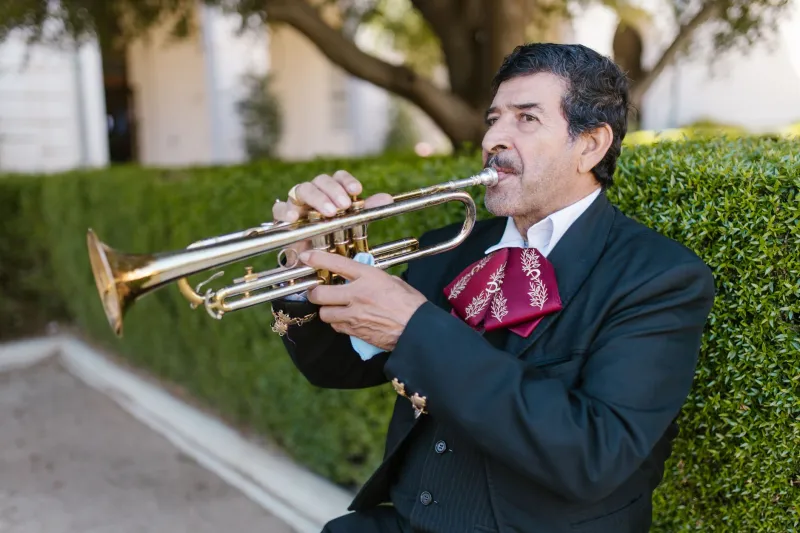
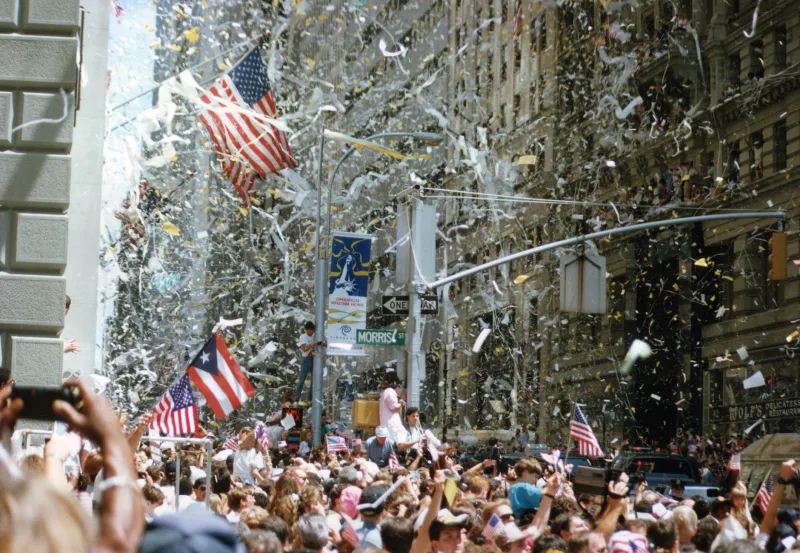
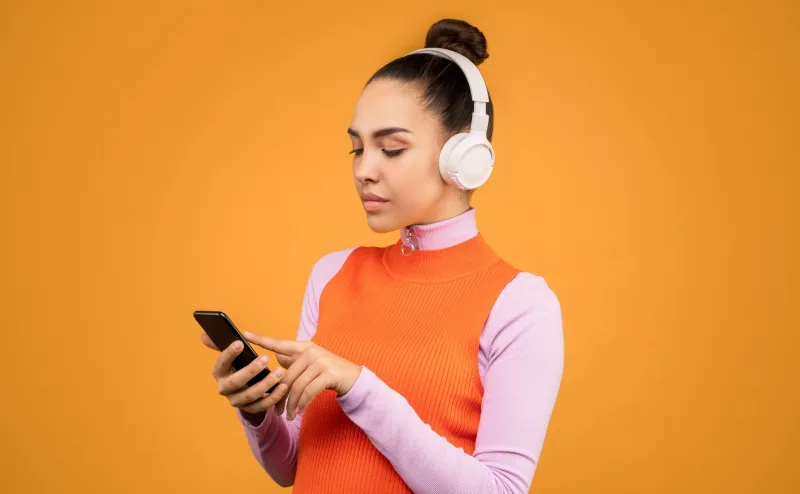
Strings, Mallets, and Roots: How the Charango, Cuatro, and Marimba Are Taking Over American Music Classrooms
Walk into certain music classrooms across the US right now and you might hear something unexpected — not a violin scale or a piano etude, but the bright, cascading pluck of a charango, or the resonant wooden knock of a marimba. These aren't sounds you'd typically associate with a school music program. But that's exactly the point.
Across the country, a growing wave of educators, musicians, and cultural advocates is pushing traditional Latin American instruments into spaces where they've rarely been seen before. And the students showing up to learn? They're more diverse — and more enthusiastic — than anyone predicted.
What's Actually Happening on the Ground
Let's start in Los Angeles, where community music organizations have been quietly laying the groundwork for years. Groups like Caminos de la Música, a nonprofit operating out of the Boyle Heights neighborhood, have been offering free marimba workshops to youth since the mid-2010s. What started as a weekend program for kids with Guatemalan and Mexican heritage has expanded into a full curriculum that now draws students from across the city — many of them with zero Latin American background at all.
"We had a kid from South Korea show up last fall," says workshop coordinator Elena Fuentes, laughing. "His parents found us online. He's now one of our best marimba students. That tells you everything."
In Chicago, DePaul University's music department quietly added a cuatro elective two years ago after student demand made it impossible to ignore. The Venezuelan cuatro — a small, four-stringed instrument that sits somewhere between a ukulele and a guitar in feel — had been championed by a single faculty member, Dr. Marco Villareal, who grew up playing it in Caracas before moving to the US. His informal lunch sessions turned into a waiting list. The elective is now oversubscribed every semester.
"I never imagined I'd be teaching cuatro at an American university," Villareal told us. "But here we are. These kids are hungry for something real, something with a story behind it."
Why Gen Z Is Drawn to These Instruments
There's something worth unpacking here. Why are younger Americans — including plenty who didn't grow up in Latin households — gravitating toward instruments like the charango, the cuatro, or the marimba?
Part of it is aesthetic. These instruments have a sonic texture that stands apart from the Western classical tradition. The charango, with its origins in the Andes and its traditional construction from an armadillo shell (now mostly replaced by wood), produces a sound that feels ancient and urgent at the same time. The marimba, with its deep ties to both indigenous Mesoamerican cultures and Afro-Latin traditions depending on the region, carries a warmth that resonates emotionally in a way that's hard to explain and easy to feel.
But there's also a values dimension to this. Gen Z, broadly speaking, is a generation that cares about authenticity, cultural preservation, and connecting with traditions that have been historically overlooked. Learning the charango isn't just picking up a new instrument — it's an act of engagement with a living culture. For Latino students, it can be a way of reclaiming heritage. For non-Latino students, it's often described as a form of respectful curiosity.
"I wanted to learn something that felt meaningful," says Priya Anand, a 19-year-old music student at the University of Texas at Austin who picked up the charango last year. "I kept hearing about it in a podcast about Andean music and just went down a rabbit hole. My professor was shocked I was interested, but she helped me find a teacher."
The Educators Making It Happen
None of this happens without people willing to push for it. Across the country, a loose network of musician-educators is doing the often unglamorous work of getting these instruments into schools and keeping them there.
In Miami, Afro-Cuban percussionist and educator Roberto Mena has spent the last decade integrating marimba baja — the bass marimba used in traditional Afro-Latin ensembles — into after-school programs in Liberty City. His approach is intentional: he frames the marimba not just as a musical instrument but as a vessel for history.
"When I tell students that the marimba has roots going back centuries in West Africa, and that enslaved people carried that knowledge to Latin America and kept it alive, they lean in," Mena explains. "Music becomes a different thing when you understand where it comes from."
In New York City, the nonprofit Raíces Sonoras has partnered with several public schools in Queens to offer charango and cuatro instruction as part of their broader Latin American arts curriculum. They've trained over 30 teachers in the past three years and are currently developing a standardized curriculum that other schools across the country can adopt.
The Challenges Are Real — But So Is the Momentum
It would be naive to pretend this movement doesn't face obstacles. Funding is always tight. Instruments like the charango and cuatro aren't stocked at your average Guitar Center, which creates supply chain headaches for programs trying to outfit students. There's also the question of qualified instructors — finding teachers who can play these instruments at a high level and also communicate that knowledge effectively in an educational setting is genuinely hard.
And then there's the institutional inertia. Many school music programs are built around Western classical traditions that have been entrenched for over a century. Getting administrators to carve out space — and budget — for a cuatro elective requires persistent advocacy.
But the momentum is undeniable. Applications to programs like Raíces Sonoras are up year over year. Universities are fielding more requests from students wanting to study these instruments. And on social media, short videos of charango and marimba performances regularly rack up hundreds of thousands of views, introducing these sounds to audiences who might never have encountered them otherwise.
A Sound That Was Always Here
Maybe the most important thing to understand about this movement is that it isn't really about bringing something new to America. The charango, the cuatro, the marimba — these sounds have been part of the fabric of Latin communities across the US for generations. What's changing is who else is listening, and who else wants to learn.
For organizations like Grupo Logosula, that's genuinely exciting. The rhythm of Latin America has always been here. It's just finally finding its way into more classrooms, more communities, more hands.
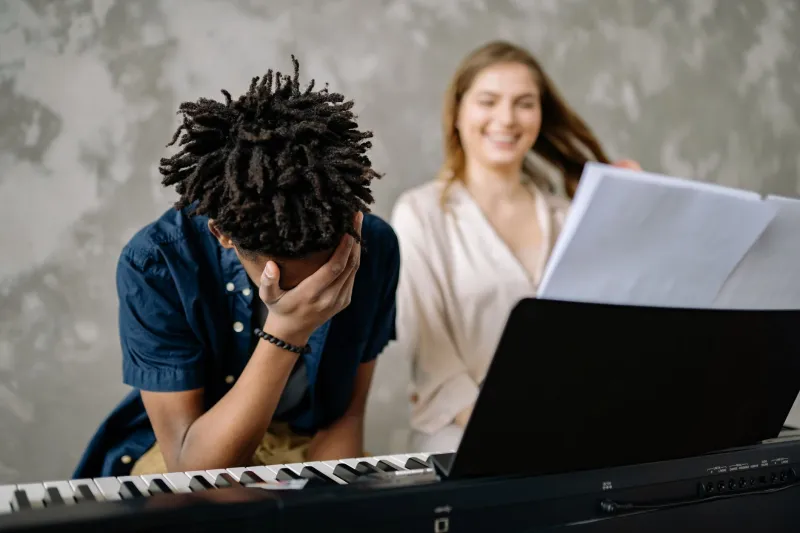
And somewhere in Chicago, a kid is plucking a cuatro for the first time, getting the chord wrong, laughing, and trying again. That sound? That's the future.