Celebrations With Roots: How Latin Rites of Passage Are Fueling a Live Music Revolution Across the US
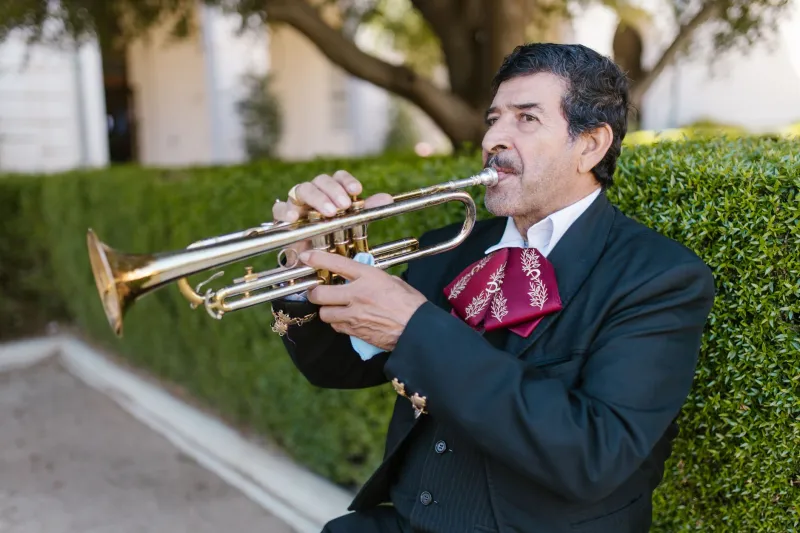
Walk into a quinceañera in Houston on a Saturday night and you'll feel it before you hear it — the low thrum of a tuba warming up, the shuffle of a harpist tuning strings, the controlled chaos of a DJ cross-referencing a setlist with a mother who has very specific opinions about when the vals should begin. This isn't just a party. It's a production. And increasingly, it's a serious slice of the American live music economy.
Latino families in the United States aren't just celebrating milestones — they're investing in them. Deeply, intentionally, and with a cultural precision that's pushing event planners, venue owners, and professional musicians to completely rethink what "live entertainment" even means.
The Numbers Behind the Fiesta
Let's talk money for a second, because the figures are genuinely striking. The US Hispanic population has crossed 63 million, and studies from the Selig Center for Economic Growth have consistently shown that Hispanic consumer spending power is growing faster than the national average. A significant chunk of that spending flows directly into life events — weddings, baptisms, graduations, and above all, quinceañeras.
Industry insiders estimate that a single quinceañera in a major US metro can run anywhere from $15,000 to over $50,000, with live music often representing one of the largest line items on the budget. Multiply that across hundreds of thousands of celebrations held annually across cities like Los Angeles, Miami, Chicago, Dallas, and New York, and you're looking at a market that dwarfs what many mid-size music venues generate in a year.
And quinceañeras are just the beginning.
Beyond the Quinceañera: A Calendar Full of Culture
Día de los Muertos commemorations have evolved dramatically over the past decade. What was once a largely private, family-centered tradition is now filling outdoor amphitheaters, museum courtyards, and purpose-built event spaces with live marimba, mariachi, and contemporary Latin indie acts — all in service of honoring the dead in ways that feel both ancestral and alive.
In cities like San Antonio and Phoenix, Día de los Muertos events now draw tens of thousands of attendees over multiple nights. Organizers aren't just booking any band — they're seeking out performers who understand the ceremonial weight of the occasion, musicians who can move from a tender folk ballad to an energetic cumbia without breaking the emotional thread of the evening.
Carnaval season gatherings, particularly strong in communities with Brazilian, Colombian, and Caribbean roots, present a different kind of challenge and opportunity. These aren't one-night affairs. They build across weeks, with rehearsals, costume reveals, and escalating musical performances that require sustained relationships between community organizations and professional musicians. In places like Newark, New Orleans, and parts of South Florida, local music scenes have effectively grown up around these seasonal traditions.
What Families Actually Want (And Why Generic Won't Cut It)
Here's where things get interesting from a cultural standpoint. The Latino families driving this demand aren't looking for a DJ who can "do Latin music." They're looking for someone who knows the difference between a norteño polka and a banda sinaloense, who understands why a certain song needs to play at a specific moment in a quinceañera ceremony, and who respects the fact that abuela's opinion about the music matters just as much as the birthday girl's Spotify playlist.
Event planner Marisol Fuentes, who works primarily with Mexican-American families in the Chicago area, puts it simply: "Families want to feel like they're back home, even if home is a place they've never actually lived. They're recreating something their parents described to them, or something they experienced once on a visit. The music is the most powerful part of that."
This multigenerational dimension is crucial. A quinceañera isn't just for the fifteen-year-old — it's for her grandmother who crossed a border to be there, for her cousins who grew up speaking only English, and for her parents who are somewhere in between. The music has to speak to all of them simultaneously. That's a genuinely difficult artistic brief, and the musicians who can pull it off are in serious demand.
Venues Are Getting the Memo
The venue side of this equation is evolving just as fast. Traditional banquet halls are upgrading their acoustics and stage setups specifically to accommodate live bands rather than just DJ booths. Some are bringing in sound engineers with experience in Latin music production — because the sonic requirements of a twelve-piece mariachi are very different from a generic wedding band.
In Los Angeles, a handful of newer event spaces have been designed from the ground up with cultural celebrations in mind — larger dance floors, better lighting rigs for folklórico performances, and catering facilities that can handle the specific food traditions that go alongside the music. These aren't luxury upgrades. They're baseline requirements for families who know what they want and have the spending power to find it.
In Miami, venue operators report that Carnaval and quinceañera bookings now anchor their entire event calendar, with other bookings built around them. "These families book a year out, sometimes two," said one South Beach event director. "They're not impulse buyers. They're planners, and they expect everyone they hire to match that level of seriousness."
Musicians Finding Their Niche — and Their Market
For working musicians, this cultural moment is genuinely significant. Mariachi groups that once struggled to fill weeknight gigs are now booking solid through the year. Tejano bands are finding that younger generations of Mexican-American families want that sound at their events — not as nostalgia, but as a statement of identity. Afro-Caribbean ensembles are being hired for Día de los Muertos events by families who want to honor African roots within the broader Latin tradition.
What's also notable is the rise of hybrid performers — musicians who can fluently move between regional Mexican music, Latin pop, and even reggaeton, giving families the full emotional spectrum of a celebration in a single act. These artists are essentially cultural translators, and the market is rewarding them accordingly.
Music schools in cities with large Latino populations are also responding. Programs in cumbia, mariachi, and folklórico dance accompaniment are expanding enrollment, partly because students see a clear professional path. That pipeline matters — the demand is there, and it's not going anywhere.
Preservation in Motion
Perhaps the most meaningful dimension of all this is what it represents for cultural continuity. When a family in Denver books a live mariachi for their daughter's quinceañera, they're not just throwing a party. They're making a deliberate choice to pass something forward — a sound, a feeling, a sense of where they come from. The music becomes the vessel for memory.
And in that act, something remarkable happens economically. Cultural preservation and commercial opportunity align perfectly. The families get authenticity. The musicians get sustainable careers. The venues get loyal, high-spending clients. The broader community gets a living, breathing tradition rather than a museum exhibit.
At Grupo Logosula, we see this as one of the most exciting stories in American live music right now — not because it's new, but because it's finally getting the attention it deserves. Latin milestone celebrations have always been this powerful. The US music industry is just starting to catch up.