On the Air and In Charge: The Spanish-Language Radio DJs Who Really Run Latin Music in America
Let's be honest — when people talk about who shapes what music gets heard in America, they usually point to streaming algorithms, playlist curators, or social media virality. But in Spanish-language radio markets from Los Angeles to New York, from Miami to Chicago, there's a different power structure at play. And it runs on personality, trust, and decades of community relationship-building that no algorithm has figured out how to replicate.
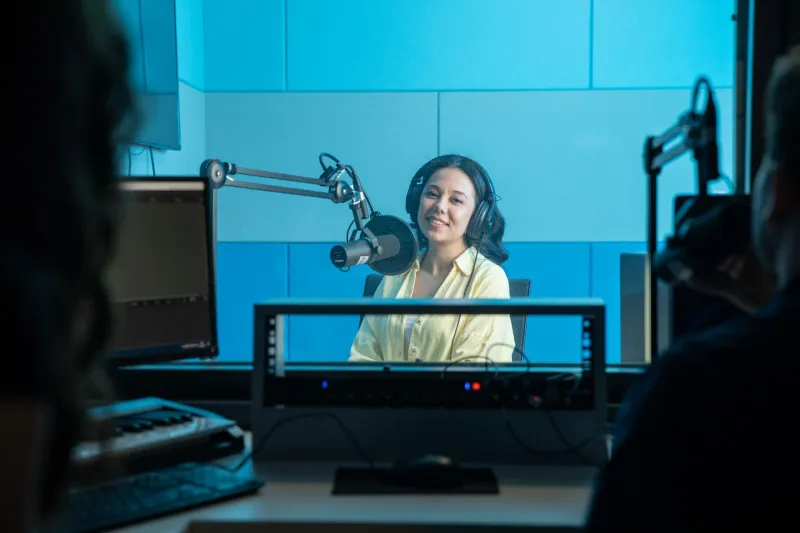
Spanish-language radio in the US reaches tens of millions of listeners every week. And the DJs behind the mic aren't just playing songs — they're making careers, setting regional trends, and acting as cultural connectors in ways that go far beyond what most people in the mainstream music industry ever acknowledge.
The Voice That Made the Call
Ask almost any mid-career Latin artist about their breakthrough, and somewhere in the story there's usually a radio DJ. Not a playlist editor. Not a streaming algorithm. A person — with a name, a city, and a relationship with their audience built over years of daily broadcasting.
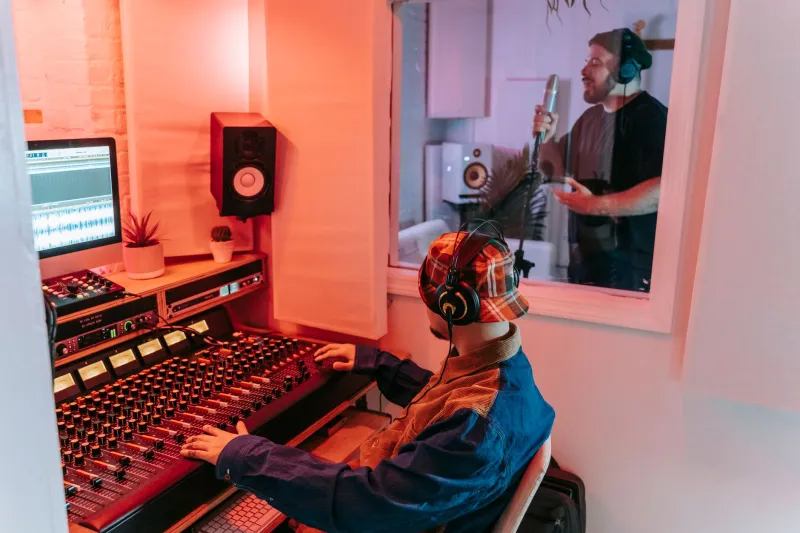
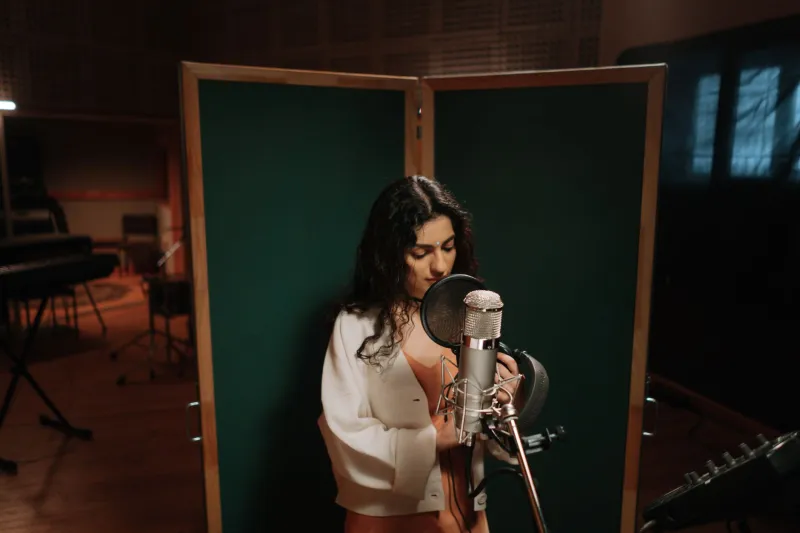
In Los Angeles, Lupita "La Voz" Mendoza has been on air at a major Spanish-language station for nearly two decades. She's the kind of DJ who gets called personally by label reps before a single drops, because everyone knows that if Lupita plays it on a Tuesday morning, it's going to be requested all week. "I know my listeners," she says simply. "I know what they're going through, what they need to feel, what makes them call in crying or laughing. The music has to match the moment."
That emotional attunement is something no recommendation engine has cracked. Lupita isn't curating based on listener data points — she's curating based on lived experience, community knowledge, and gut instinct sharpened over thousands of hours on air.
Regional Taste, National Impact
One of the most underappreciated aspects of Spanish-language radio is how deeply regional it is — and how that regionalism shapes national trends in ways that often go unnoticed by mainstream music media.
What's hot in Miami isn't necessarily what's hot in Houston. The bachata that dominates New York radio might not land the same way in Phoenix. And the corridos that rule the Central Valley in California are a completely different conversation from what's spinning in Chicago's Little Village neighborhood.
Radio DJs are the ones navigating these regional differences in real time. They're not just broadcasting — they're translating, contextualizing, and helping listeners understand why a particular sound matters right now, in this city, for this community.
In Houston, DJ Marco "El Tejano" Salinas has spent 22 years bridging the gap between traditional Tejano music and the newer regional Mexican sounds that have exploded in popularity over the past decade. "I had listeners who thought corridos tumbados were going to kill Tejano," he says. "My job was to show them these things can live together. That it's all part of the same family tree."
Breaking Artists Before the Algorithm Even Knows Their Name
Here's something the music industry doesn't advertise loudly: Spanish-language radio DJs have broken artists months — sometimes over a year — before those artists showed up on any major streaming playlist.
The way it works is old-school but effective. A regional DJ gets a track from a local artist, plays it on a whim, and the phone lines light up. They play it again. And again. Listeners start requesting it at parties. Local music stores (yes, they still exist in many Latino communities) start getting asked for it. Word spreads through WhatsApp groups and family text chains. By the time a streaming platform's algorithm picks up on the momentum, the DJ already made the call six months ago.
Bad Bunny's early regional radio support in Puerto Rico and among East Coast Latino markets is a well-documented example. But there are dozens of artists whose rise followed a similar path — regional radio first, everything else second.
More Than Music
What really separates these DJs from any digital alternative is that they exist inside the communities they serve. They go to the quinceañeras. They announce deaths and births on air. They help listeners navigate immigration resources, local events, and community news. They are trusted in a way that a Spotify editorial account simply cannot be.
This trust has a direct effect on how music is received. When Lupita in LA tells her listeners that a new artist is worth paying attention to, it lands differently than an algorithm-generated recommendation. It carries the weight of a personal endorsement from someone who has been in their ears every morning for fifteen years.
"Radio is a relationship," says Lupita. "Streaming is a transaction. And people know the difference."
The Future of the Airwaves
Spanish-language radio isn't going anywhere. Despite the rise of streaming and podcasts, ratings in major US Latino markets remain strong, particularly in the morning drive and afternoon commute windows. And as more Latin artists build careers that straddle the US and Latin America, having a DJ in a major US market in your corner is still one of the most valuable things you can have.
The DJs themselves are evolving too — most have strong social media presences, some run their own podcasts, and many have built side businesses around events and appearances. But the radio show remains the anchor. It's where the real work gets done.
Because at the end of the day, someone has to decide what gets played. And in Spanish-language America, that someone is usually behind a mic, taking calls, and knowing exactly what their people need to hear.