Follow the Money: How Latin Festivals Are Turning US Cities Into Cultural Goldmines
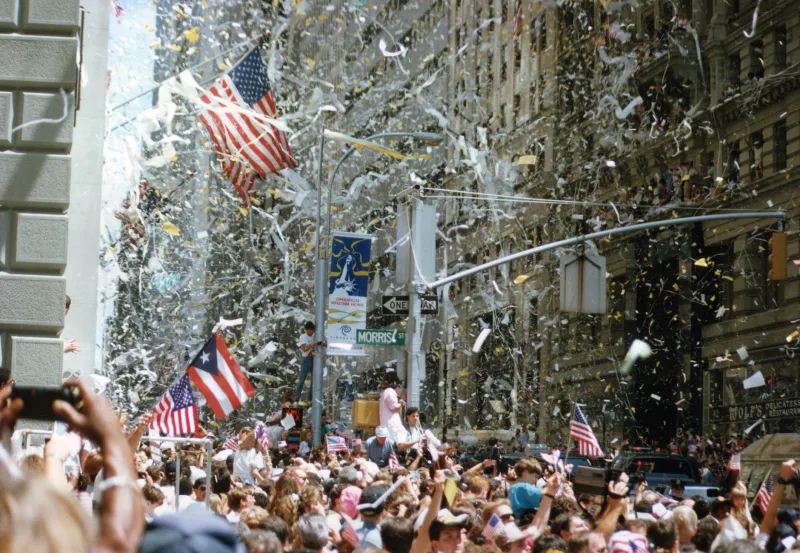
Picture a Saturday afternoon in early March. The streets of Miami's Little Havana are so packed you can barely move, the air thick with the smell of café cubano and roasting pork, and somewhere ahead of you a conga line has basically taken over a city block. This is Calle Ocho Festival — one of the largest street parties in the entire world — and it pulls in somewhere north of a million visitors over a single weekend. That's not just a party. That's an economy.
But here's the thing: Calle Ocho is the headline act in a much bigger story. Across the United States, Latin music and arts festivals have quietly become some of the most powerful cultural-economic events on the American calendar. Cities large and small are waking up to what the Latin community has known for decades — that when the music starts, the money moves.
The Numbers Don't Lie
Let's talk dollars. The Calle Ocho Music Festival alone is estimated to generate over $30 million in direct economic impact for Miami-Dade County in a single weekend, according to figures cited by local tourism boards. Hotel bookings spike. Restaurants run out of food. Parking lots charge triple. Rideshare drivers work overtime. And that's before you count the indirect spending — the tourists who stay an extra day, the vendors who use their earnings to stock up for the next event, the local artists who book follow-up gigs off the exposure.
Now multiply that model across dozens of cities. The Latin Billboard Music Festival in Las Vegas draws tens of thousands of attendees and fills casino floors that are already notoriously good at extracting cash. Austin's Pachanga Latino Music Festival, a beloved fixture in the Texas capital, has become a reliable economic jolt for the city's East Side. And then there are the surprises.
The Unexpected Cities Cashing In
When people think Latin festivals, they think Miami, LA, San Antonio, New York. But some of the most interesting growth is happening in cities you'd never expect.
Columbus, Ohio hosts Fiesta Latina, an annual event that draws over 30,000 people to the city's Genoa Park. Local organizers say the event has grown by more than 40% in attendance over the past five years, and city officials have taken notice. "We've seen real investment follow this event," one Columbus city spokesperson noted in a recent interview with a regional outlet. "Restaurants near the venue see a measurable bump, and we get visitors from across the Midwest who wouldn't otherwise make the trip."
Boise, Idaho — yes, Boise — has its own growing Latin cultural scene, anchored by events like the Treasure Valley Fiesta. The Latinx population in Idaho has grown dramatically over the past two decades, and the festivals that serve that community are increasingly attracting curious non-Latino locals and out-of-state visitors alike. Small vendors at these events report some of their highest single-day revenue of the entire year.
This pattern is showing up everywhere from Des Moines to Portland, Maine. The Latin diaspora is spread wider than most people realize, and wherever it plants roots, culture — and commerce — follow.
Who's Actually Making This Happen
Behind every great festival is an organizer who's been grinding for months, usually on a budget that doesn't match the ambition. We spoke with several independent festival producers across the country, and the picture they painted was one of passion, creativity, and increasingly, strategic sophistication.
"Five years ago, I was basically begging sponsors to take a chance on us," said one organizer behind a mid-sized Latin arts festival in the Southeast, who asked to remain unnamed. "Now I have brands coming to me. Corporate sponsors have figured out that our audience is loyal, it's growing, and it's underserved by mainstream events."
That shift in sponsor interest tracks with broader demographic trends. The US Latino population now sits at roughly 63 million people and counting, representing enormous purchasing power — estimates from the Latino Donor Collaborative put Latino GDP in the US at over $3.2 trillion, which would rank it among the largest economies in the world if it were its own country. Brands that ignored this market for decades are playing catch-up, and Latin festivals are one of their fastest entry points.
City governments are also stepping up. Several municipalities have created dedicated grant programs or fast-tracked permitting processes for cultural festivals as part of broader tourism and economic development strategies. In some cases, cities are actively recruiting established Latin festivals from other markets, offering venue subsidies and marketing support to bring them in.
The Year-Round Ripple Effect
One of the most underappreciated parts of the Latin festival economy is what happens after the last speaker cuts out and the crowds go home. The benefits don't stop on Sunday night.
For Latin artists and performers, a strong festival appearance can mean months of follow-up bookings. A band that kills it at a regional festival suddenly gets calls from venues three states away. A visual artist whose work gets featured in a festival gallery finds collectors reaching out weeks later. A food vendor who sells out at Calle Ocho might use that capital to finally open the brick-and-mortar spot they've been dreaming about.
Festival organizers have also gotten smarter about creating year-round touchpoints — workshops, smaller showcase events, digital content — that keep the community engaged and the revenue flowing between the big annual moments. It's less of a one-time event and more of an ongoing cultural ecosystem.
The Community Piece You Can't Put a Price On
Okay, we've thrown a lot of numbers at you, and numbers matter. But ask anyone who's actually attended one of these festivals — or better yet, helped build one — and they'll tell you the economic story only goes so far.
For Latin Americans living in cities where they're a minority, these festivals are something else entirely. They're a public declaration. A reclamation of space. A chance for kids who grew up feeling like their culture was invisible to see it celebrated loudly, proudly, and at scale. That's not something you can quantify on a tourism spreadsheet, but it's real, and it's part of why these events keep growing.
"When I was growing up here, there was nothing like this," said one longtime attendee at a Midwest Latin festival. "Now my kids get to see thousands of people out here celebrating where we come from. That changes something in them."
Cities that understand this — that these festivals aren't just economic events but community infrastructure — tend to be the ones that invest in them most successfully. And the ones that do are reaping the rewards, both in dollars and in the kind of civic energy that's genuinely hard to manufacture.
The Bottom Line
The Latin festival economy in the United States is not a niche story anymore. It's a major and growing force in how American cities generate revenue, attract visitors, and build cultural identity. From the mega-events that shut down Miami streets to the scrappy regional celebrations turning Boise plazas into dance floors, the rhythm of Latin America is proving to be very, very good for business.
And honestly? The best part is that the music's still just getting started.