Press Start for Cumbia: The Latin American Composers Hiding in Your Game Soundtrack
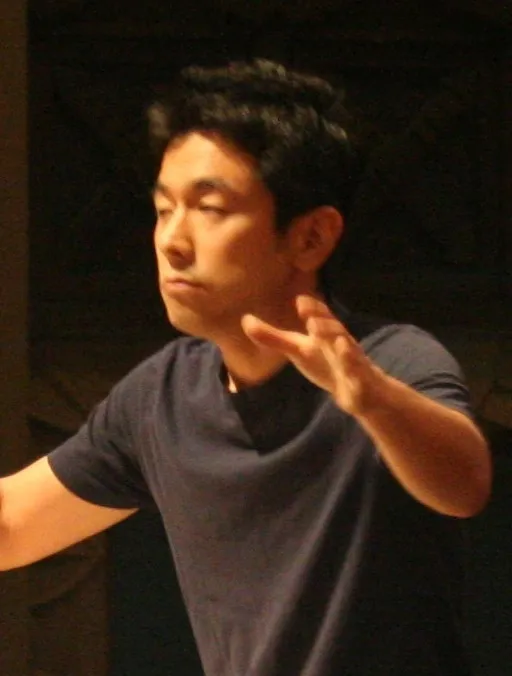
Photo: Gamemusicfan1983, CC0, via Wikimedia Commons
Open a big-budget shooter in 2026 and you might hear a brass line that sounds suspiciously like a cumbia. Boot up an indie RPG and the menu music may be built on a charango loop. The composer credit scrolls by fast, but the names are increasingly Latin American—and they are not accidental hires.
Game audio has become a quiet gateway for Latin American composers. The work is project-based, often remote, and frequently buried under layers of sound design. But it is also one of the few corners of the American music industry where a self-taught composer in Lima or Monterrey can land a paying gig without a major label, a manager, or a physical address in Los Angeles.
The New Game Audio Pipeline
The old path was film and television. The new path looks more like a Discord server. Composers meet indie developers at game jams, in online communities, and through small studios that need a memorable theme on a tight deadline. A single track can turn into a full soundtrack. A full soundtrack can turn into a credit that opens the next door.
The tools have lowered the barrier. A composer can record a quena in a bedroom, pitch it down, and layer it under a synthesized bass without needing a full orchestra. Middleware like FMOD and Wwise lets composers build interactive music systems that respond to what the player does. That is a different skill set from writing a pop song, and it rewards people who are comfortable experimenting.
From Huayno to Hit Points
The most interesting work happens when the music is not just decorative. A cumbia rhythm can signal a market district. A marimba pattern can mark a jungle level. A huayno melody can give a fantasy village a sense of place without leaning on the same Celtic and Nordic cues that have dominated RPGs for years.
That does not mean every game needs a pan flute. The best composers avoid costume-drama folk. They treat the tradition as a set of tools: rhythm, timbre, phrasing, tension, release. A dembow groove can work in a racing game. A bolero guitar can underscore a quiet moment in a horror title. The genre of the game matters less than whether the music does a job.
The Gigs You Do Not See
Most of these jobs are not advertised as Latin music jobs. They are advertised as game audio jobs. A studio needs a loop for a level, a sting for a boss fight, or a trailer cue that builds in 30 seconds. The composer who can deliver that on time gets hired again.
That is why the scene is still underground in the US, even as the audience is massive. Players hear the music, but they do not always know who made it. Composers are often credited in a list that few people read. The result is a strange kind of visibility: millions of ears, very few names.
For Latin American composers, that anonymity can be a trade-off. It pays less than a major film score. It can be lonely work. But it also offers something rare: a global audience with no gatekeeper demanding a particular look or sound. A composer in Bogotá can score a game played in Ohio without explaining where the rhythms come from.
Why It Matters in 2026
Game audio is not a replacement for concert halls, radio, or dance floors. It is another surface where Latin American music can live. And in 2026, surfaces matter. The more places a tradition appears, the harder it is to treat it as a niche.
The next step is recognition. Players are starting to notice when a soundtrack sounds different. Developers are starting to ask for specific regional influences instead of generic world music. And composers are starting to build collectives, share gigs, and teach the next wave. The music is already in the game. The credit is the part still loading.