The Secret Concert Circuit: How Latin Immigrant Communities Are Building Their Own Live Music Economy
The Flyer Comes Through WhatsApp
You won't find the listing on Ticketmaster. There's no Eventbrite page, no Instagram ad targeting you based on your Spotify listening history. The flyer comes through a WhatsApp group, forwarded three times before it reaches you, and the venue is a rented banquet hall in a suburb of Dallas that, on any other Saturday, hosts quinceañeras and retirement parties.
But tonight, a cumbia band from Monterrey is playing two sets, the food is coming from someone's aunt's catering operation, and there are 200 people who drove anywhere from 20 minutes to two hours to be in this room. Every single one of them knows every single word to every song.
This is the Latin immigrant underground concert circuit, and it is thriving.
Nostalgia Is a Powerful Engine
To understand why this scene exists, you have to understand what it's doing emotionally. For Latin American immigrants in the US — particularly those who've been here long enough to feel the specific ache of distance from home — live music isn't just entertainment. It's a form of time travel.
Hearing a specific regional sound, a particular era of music, a style tied to a place you haven't physically been in years — that hits differently than any streaming playlist can replicate. The body remembers. The feet know what to do. And in a room full of people who share that memory, something communal and irreplaceable happens.
Promoters who organize these events understand this on a gut level. Many of them are immigrants themselves, or children of immigrants, who started putting shows together because they wanted to experience something that simply wasn't available through official channels.
"The mainstream venues book what sells to the broadest audience," explains one promoter in the Chicago area who's been running informal Latin music events for over a decade and asked not to be named because some of his events operate in a legal gray area around venue licensing. "But there's a whole world of music that people here are desperate to hear live — regional stuff, older stuff, stuff that's huge in certain communities and invisible everywhere else."
The Geography of Longing
What's striking about this circuit is its specificity. These aren't generic "Latin music" events. They're curated for particular communities with particular tastes.
In the San Fernando Valley, there are regular events centered on música tropical from Colombia's Caribbean coast — vallenato, porro, cumbia in its original coastal form — organized by and for Colombian immigrants who settled in that part of Los Angeles. In Queens, you can find events dedicated to specific decades of Dominican bachata, the kind that predates the genre's international crossover. In Houston's sprawling suburbs, informal concerts feature norteño acts from specific Mexican states, playing for audiences who grew up with those sounds and want their kids to know them too.
The regionalism is the point. These events aren't trying to represent "Latin America" in some broad, tourism-brochure sense. They're recreating something specific — a sound, a feeling, a place — for people who carry that place inside them.
How the Money Works
The economics of this circuit are genuinely interesting, and they challenge some assumptions about how live music has to function.
Ticket prices at these events typically run between $20 and $60, with food and drinks sold separately, often by vendors who are part of the same community network. Artists are paid in cash, sometimes negotiated directly without agents or managers involved. Venues — banquet halls, community centers, occasionally actual restaurants with cleared-out dining rooms — are rented for flat fees.
The margins aren't huge, but the overhead is low and the demand is consistent. A promoter who's built a reliable reputation within a specific community can run six to eight events a year, each one selling out through word of mouth alone, and generate meaningful income while providing a genuinely valuable cultural service.
For the artists, particularly those traveling from Latin America specifically to play these events, the circuit offers something that mainstream touring rarely does: an audience that is completely, unambiguously theirs. No opening act for a crowd that doesn't know them. No festival set where half the audience is eating a corn dog and half-listening. Just 150 or 200 people who came specifically to hear them play.
"I've played bigger stages," says one Colombian musician who travels to the US several times a year to play community events in cities with large Colombian populations. "But I've never played for audiences that love it more than this."
The Kids Are Watching
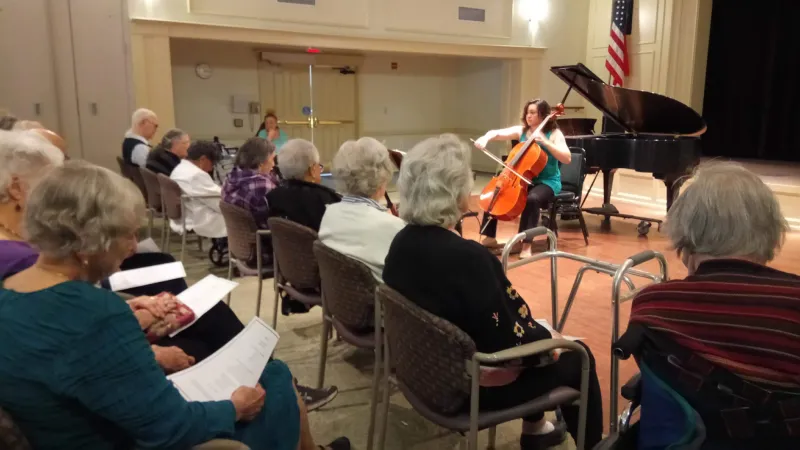
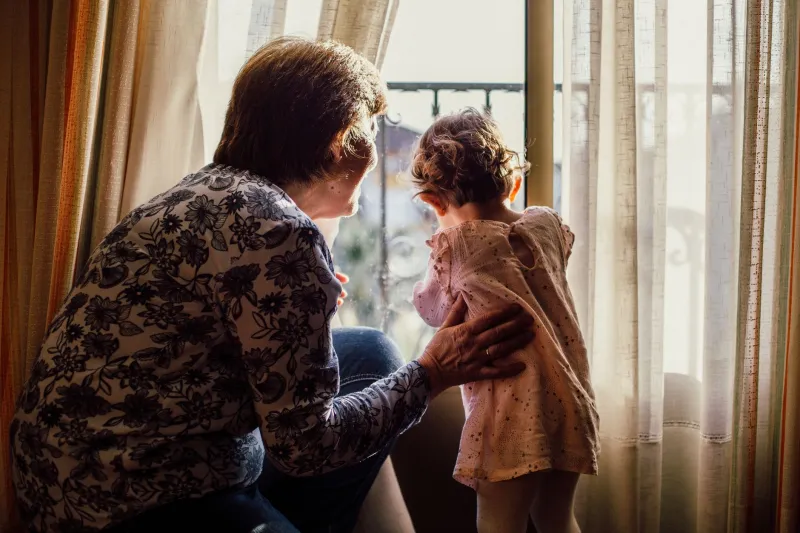
One of the quieter stories inside this circuit is what it's doing for the next generation. These events are often explicitly family-friendly — not because they're sanitized, but because the community that organizes them is multigenerational. Grandparents come. Parents come. Kids come and sit through the first set and then fall asleep on folding chairs in the corner while the adults dance.
And something gets transmitted. Not through a lesson or a curriculum, but through presence. Through watching your parents transform on a dance floor. Through hearing a song that makes your grandmother cry and understanding, even if you can't fully articulate it, that the song is connected to something real and important.
Several younger Latin artists who are now building their own careers in US music cite these community events as formative — places where they first understood what it meant for music to belong to a people rather than to an industry.
Invisible to the Industry, Essential to the Community
The mainstream music industry barely registers this circuit exists. There are no industry panels about it, no trade publication deep-dives, no venture capital money looking to "disrupt" it. And honestly, that might be why it works.
The moment this scene gets discovered and formalized — the moment a well-funded promoter decides to scale it, put it in proper venues, add a VIP section and a sponsored stage — something essential will probably get lost. The intimacy, the specificity, the sense that this event exists for us, not for everyone, is part of what makes it matter.
For now, the flyer keeps coming through WhatsApp, the banquet hall keeps filling up, and somewhere in a suburb of Dallas or Queens or Chicago, 200 people are dancing to music that reminds them exactly where they come from — and exactly who they are.